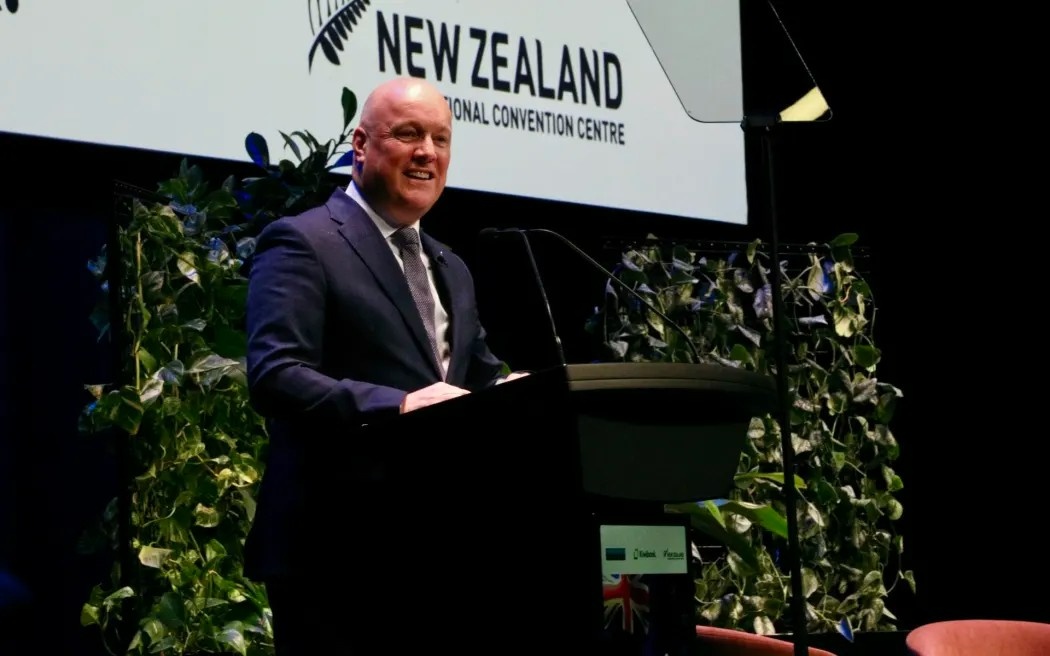
US President Donald Trump has begun talking of the end, daily, and of victory in Iran
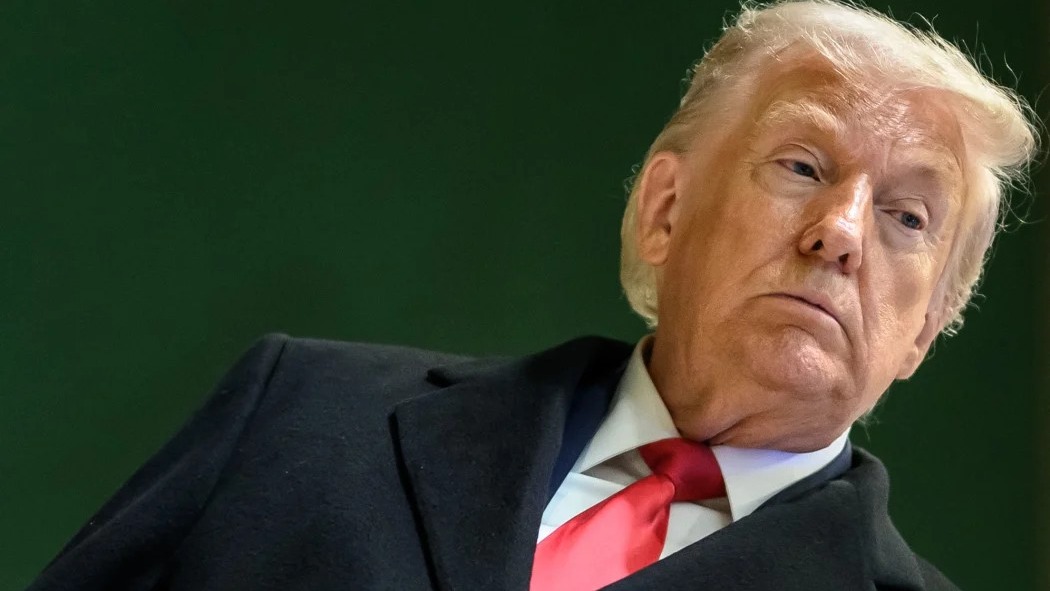
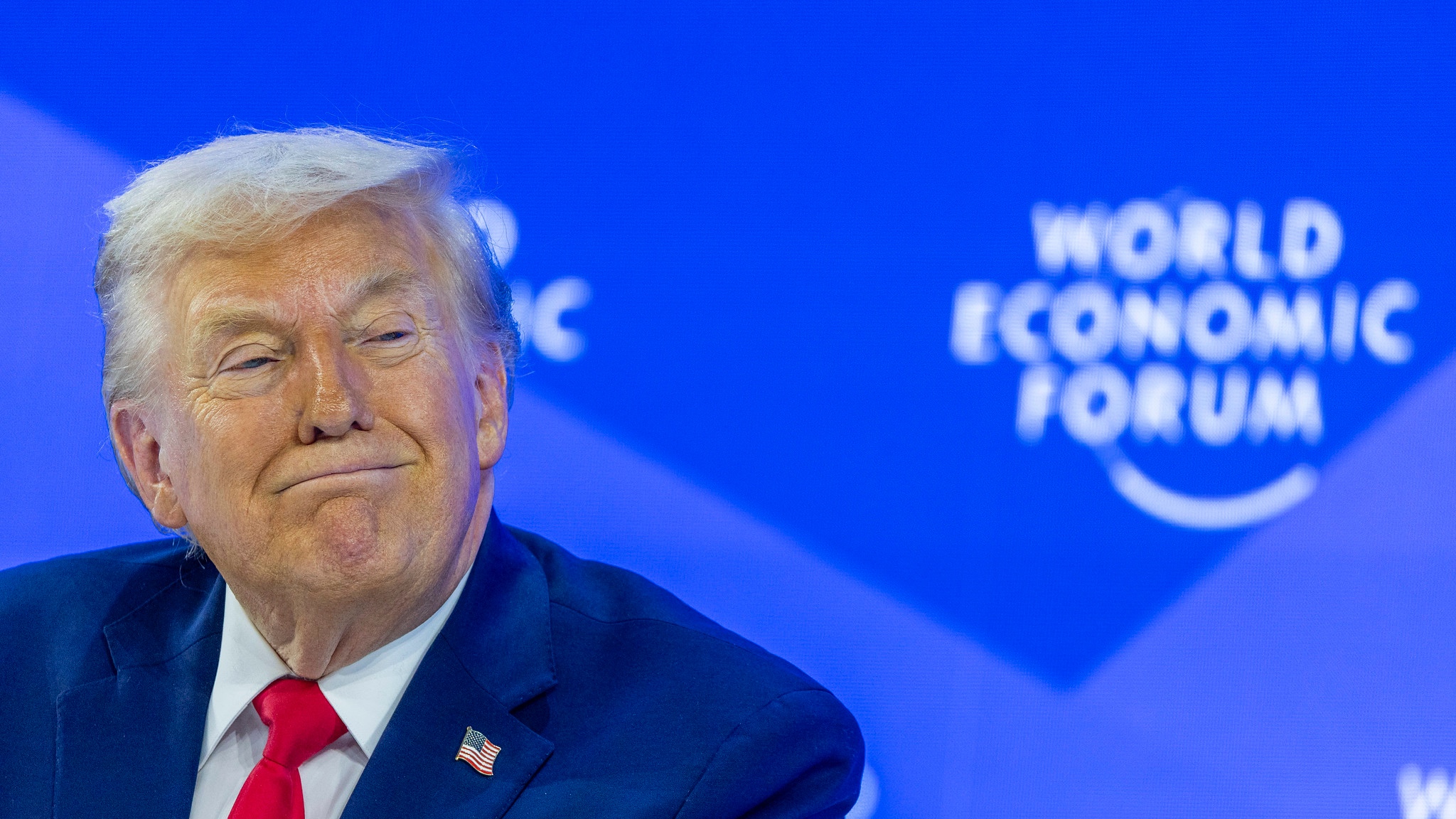
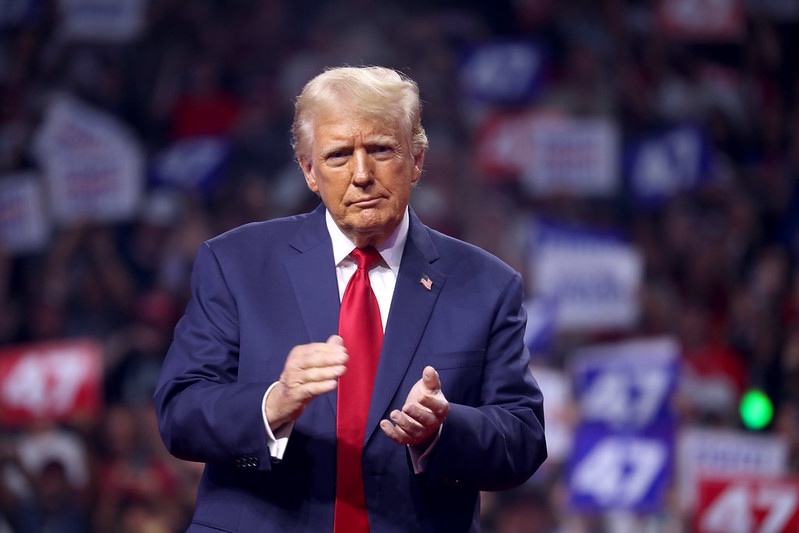
US President Donald Trump has begun talking of the end, daily, and of victory in Iran, making it far too palpable that he wants to stop, Nick Paton Walsh writes. Photo: AFP / Fabrice Coffrini
President Donald Trump's rhetorical knots fit well with his style of dictating
US President Donald Trump has begun talking of the end, daily, and of victory in Iran, making it far too palpable that he wants to stop, Nick Paton Walsh writes. Photo: AFP / Fabrice Coffrini
Analysis: A war that is "won" but also "not finished yet." An "excursion" that requires Iran's "unconditional surrender." President Donald Trump's rhetorical knots fit well with his style of dictating America's information diet, but fall flat when they hit the gritty reality of conflict.
The "win" in war is not as it is in sports: a score does not declare the victor after a previously agreed duration. The bravado and gamer-style videos of the US government as it pursues its assault on Iran belie the extraordinary seriousness of an intractable moment: how far do the Americans have to go, not to just declare "we won," as Trump did on Wednesday in Kentucky, but to make Iran behave as if it has suffered a defeat?
Trump is now caught in the oldest trap of modern warfare - believing a swift, surgical military operation will yield quick, enduring political results. The Soviets did it in Afghanistan; the US in Iraq in 2003; Putin did it in Ukraine, and is still fighting. Whatever force a military fails or succeeds in applying at the start, the people it is attacking have greater commitment to defending their lands and homes.
The White House may have rushed into this, seizing the opportunity for a decapitation strike, provided by Israeli intelligence. Israeli Prime Minister Benjamin Netanyahu has very different objectives regionally, and a long US involvement against Tehran suits his desire for an Iran in rolling collapse that is no longer a threat. But the death of Supreme Leader Ali Khamenei on February 28 has caused as many problems as it has solved.

This video grab taken from UGC images posted on social media on 7 and 8 March, 2026, shows fire erupting at an oil depot in Iran's capital Tehran. Photo: AFP / SOURCE: UGC / UNKNOWN
There is no Delcy Rodriguez waiting in the wings for Trump to anoint, as was the case when US forces seized Venezuelan President Nicolás Maduro. Rather, Iranian hardliners have filled the vacuum with Khamenei's son, Mojtaba - the very man Trump publicly said he did not want.
It is unclear if Mojtaba is in good enough health to record a video announcing his leadership, although what Iranian state media said was his first message since he became supreme leader was read out on air on Thursday (Iranian time).
It is very clear the Islamic Revolutionary Guard Corps (IRGC) is seeking a blood revenge for the relentless assassination of its commanders, much as you might anticipate US troops would, if Trump, the Joint Chiefs, and much of the US's intelligence community were killed.
This anger handicaps Trump's immediate prospects for an end. Iran has - within 13 days - turned this into an endurance test that it seems to be surviving.
The US can bomb for months, but not without depleting its vital munitions stocks, and facing both greater political damage ahead of November's mid-term elections and the risk of more US casualties.

Smoke plumes rise following missile strikes in Tehran on March 1, 2026. Photo: AFP / Atta Kenare
Iran will continue to lose launchers, drone bases, personnel and infrastructure, but enough will likely survive that its forces never have to stop, and drop to their knees. The IRGC's leaders have prepared for this moment for years. It is their calling. They may run out of bombs, drones, or even people, but not motivation. This, too, was the lesson of Iraq and Afghanistan.
Iran is divided in its support for the regime. But aerial bombardment makes for strange bedfellows among the bombed. The short-sig