MediaTech Logo
MENU

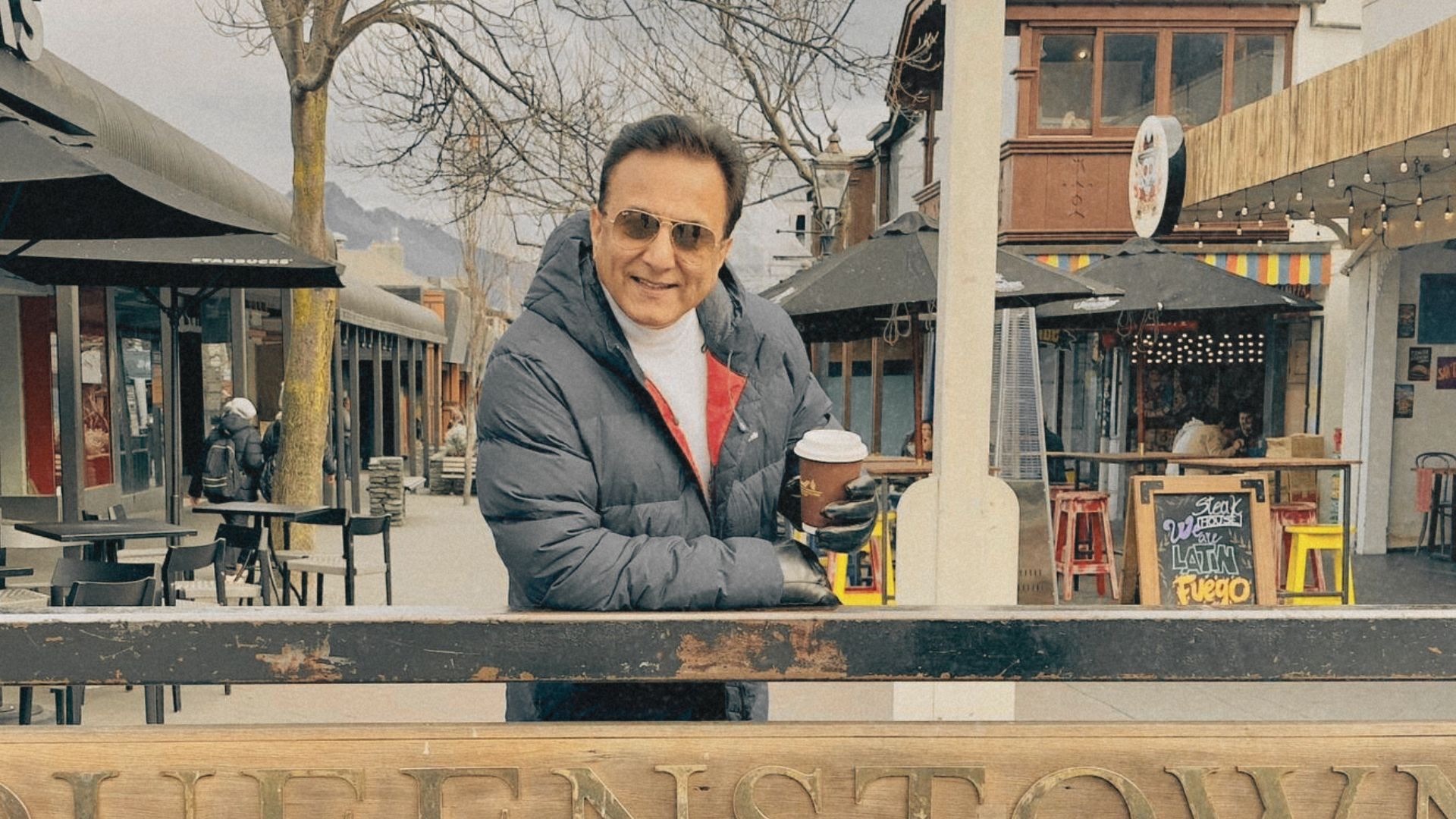
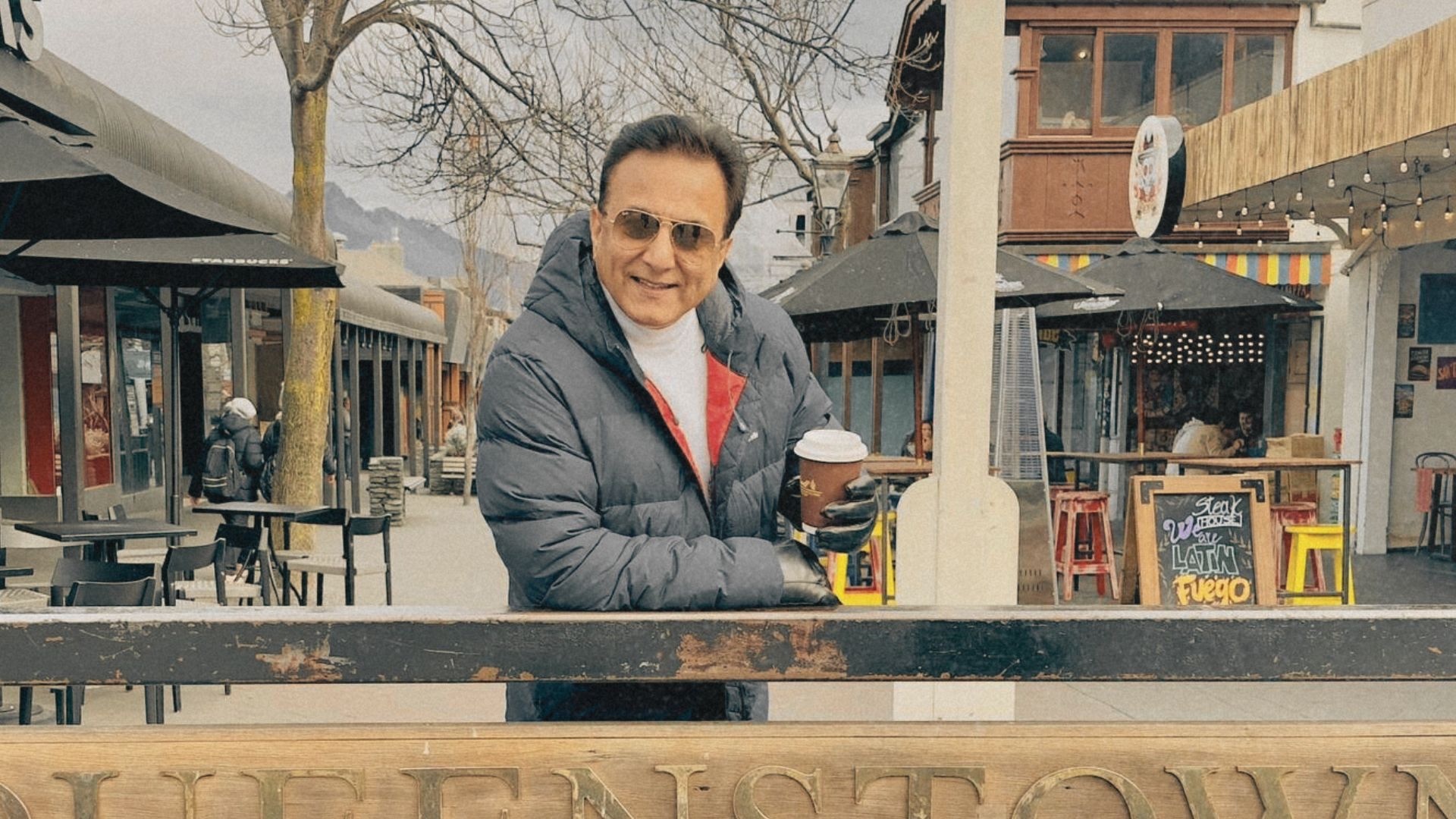
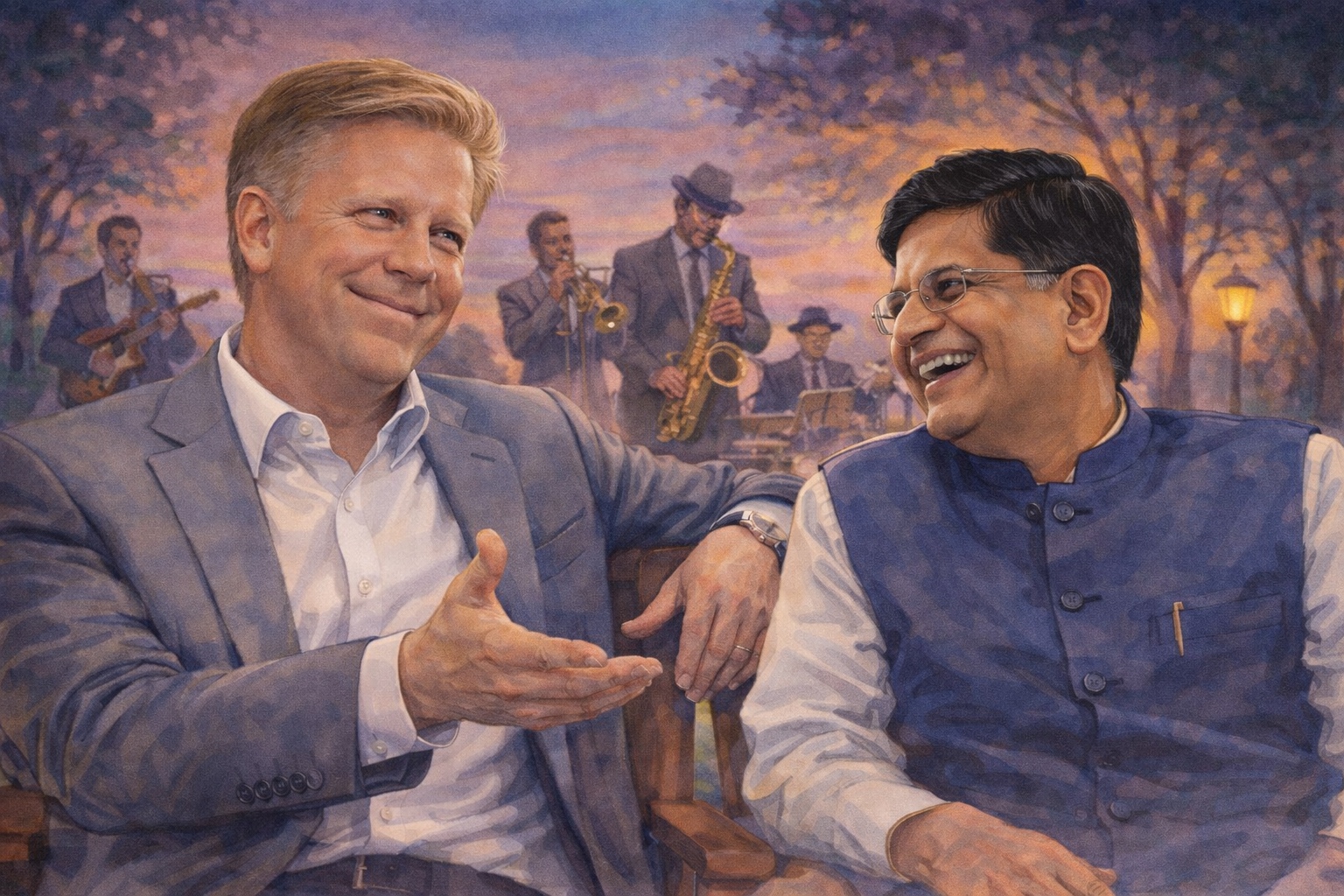
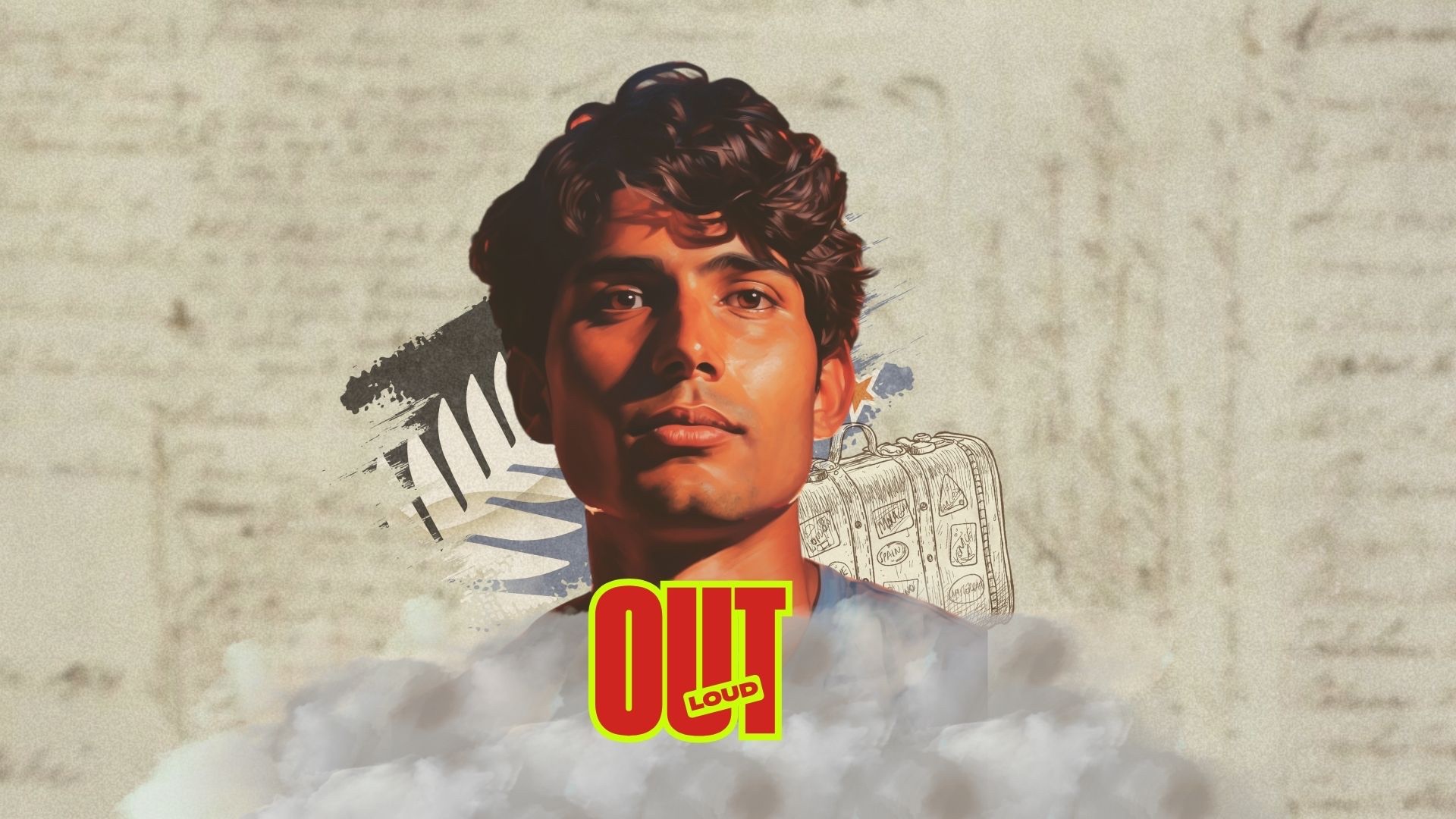
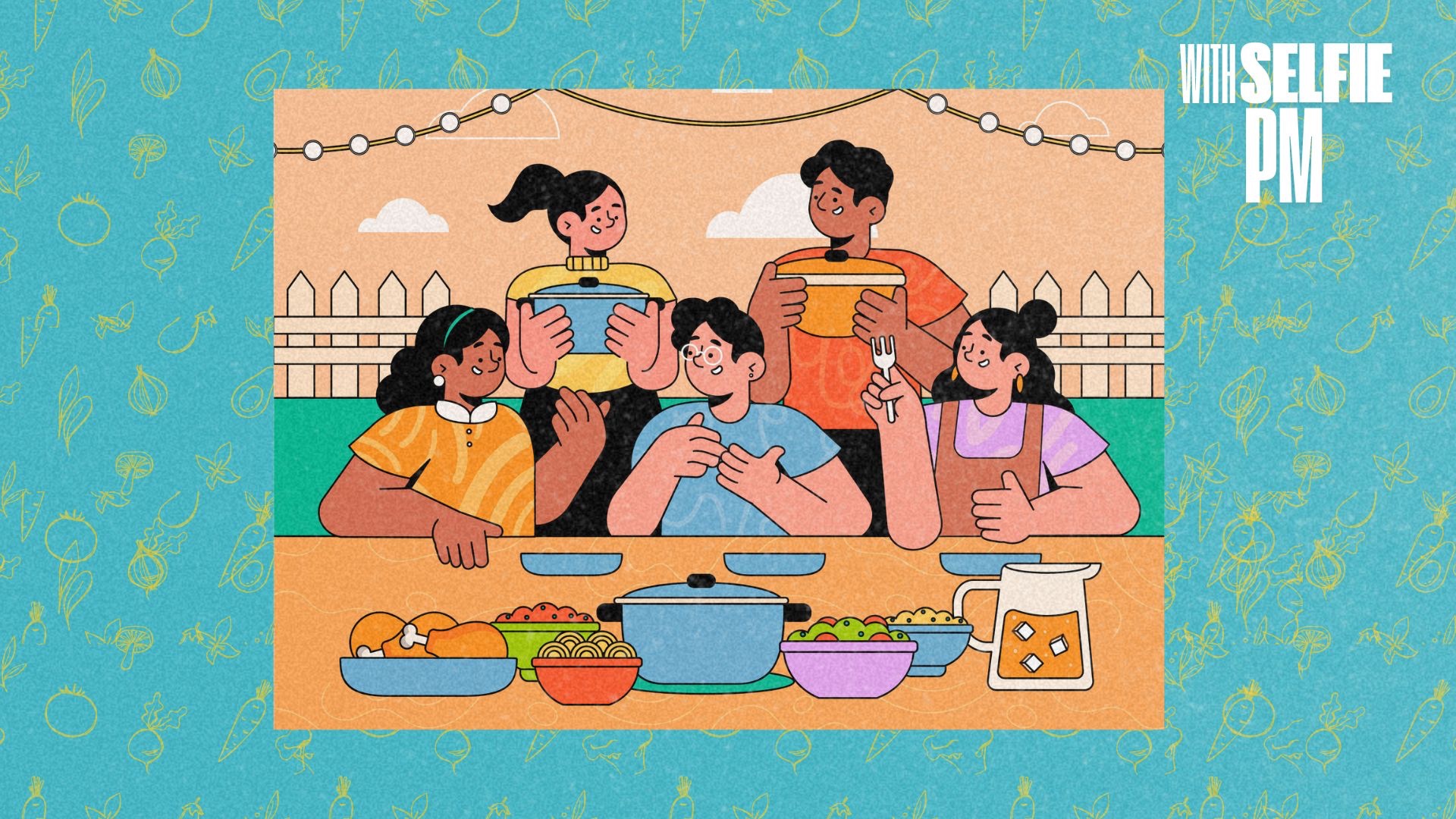
Selfie: The things we bring without knowing
Belonging 2 min read
selfie_the_things_we_bring_without_knowing

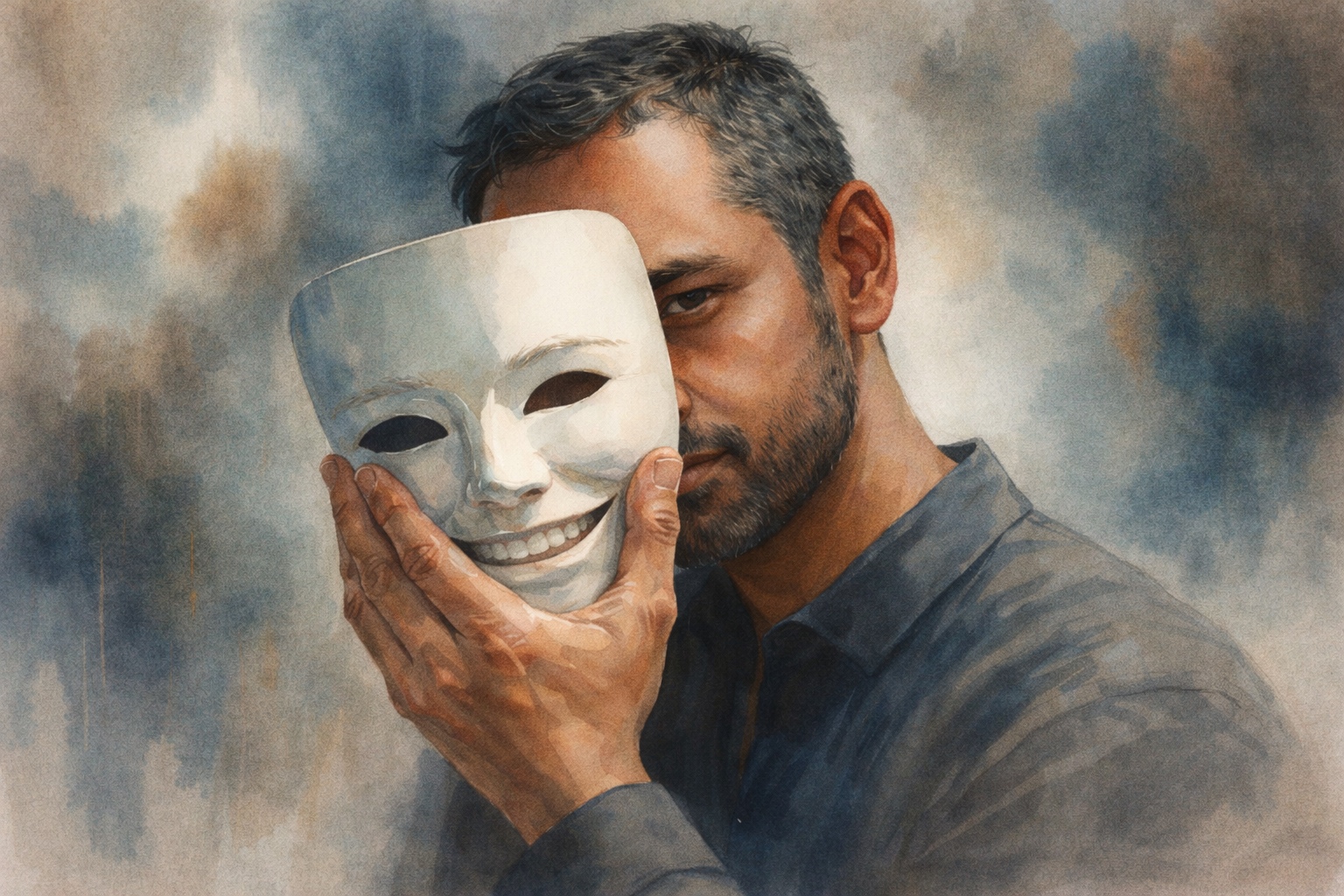
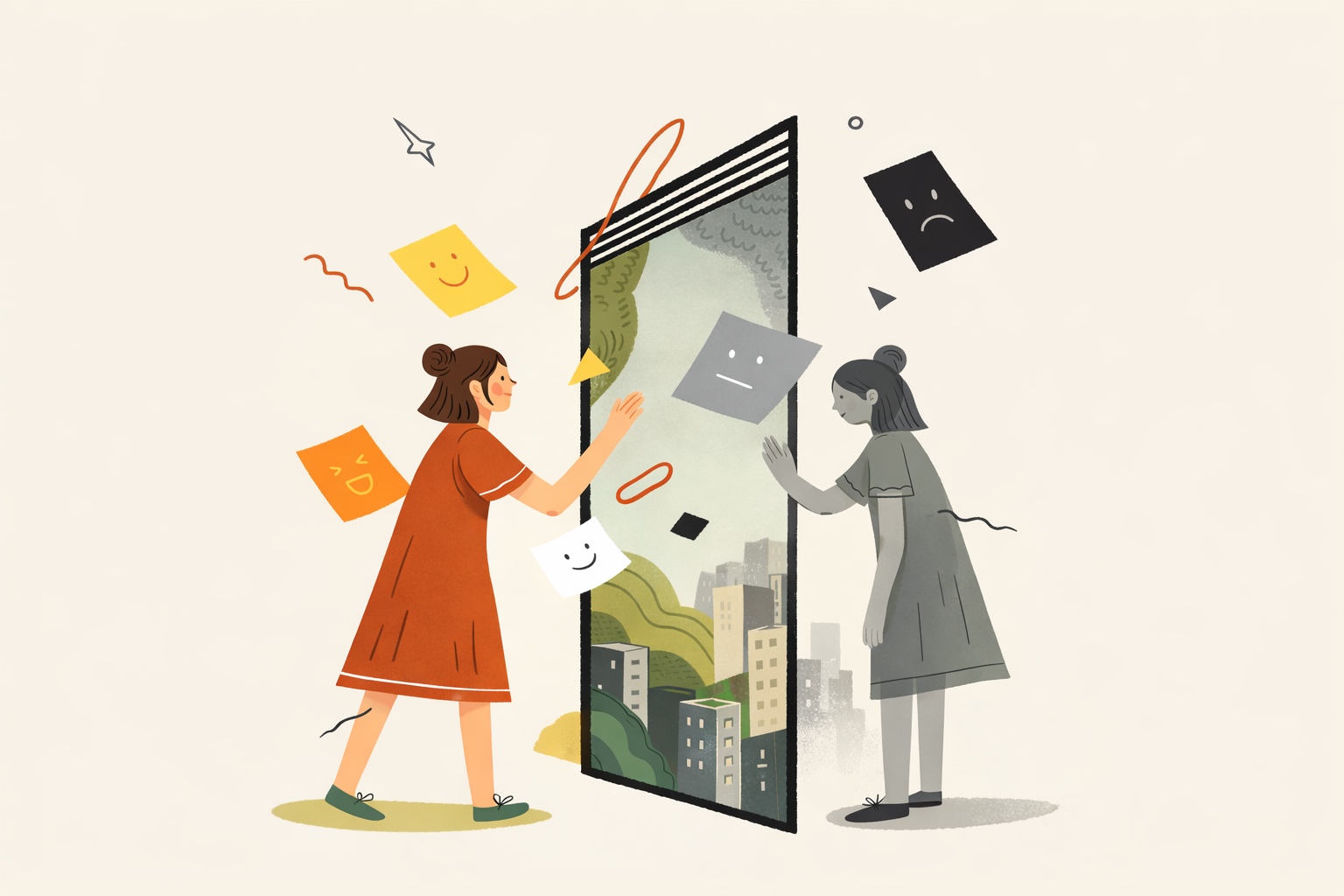
For migrants, sometimes the real journey is noticing the things we carried across without meaning to.

Every now and then, I catch myself doing something I moved here to escape.

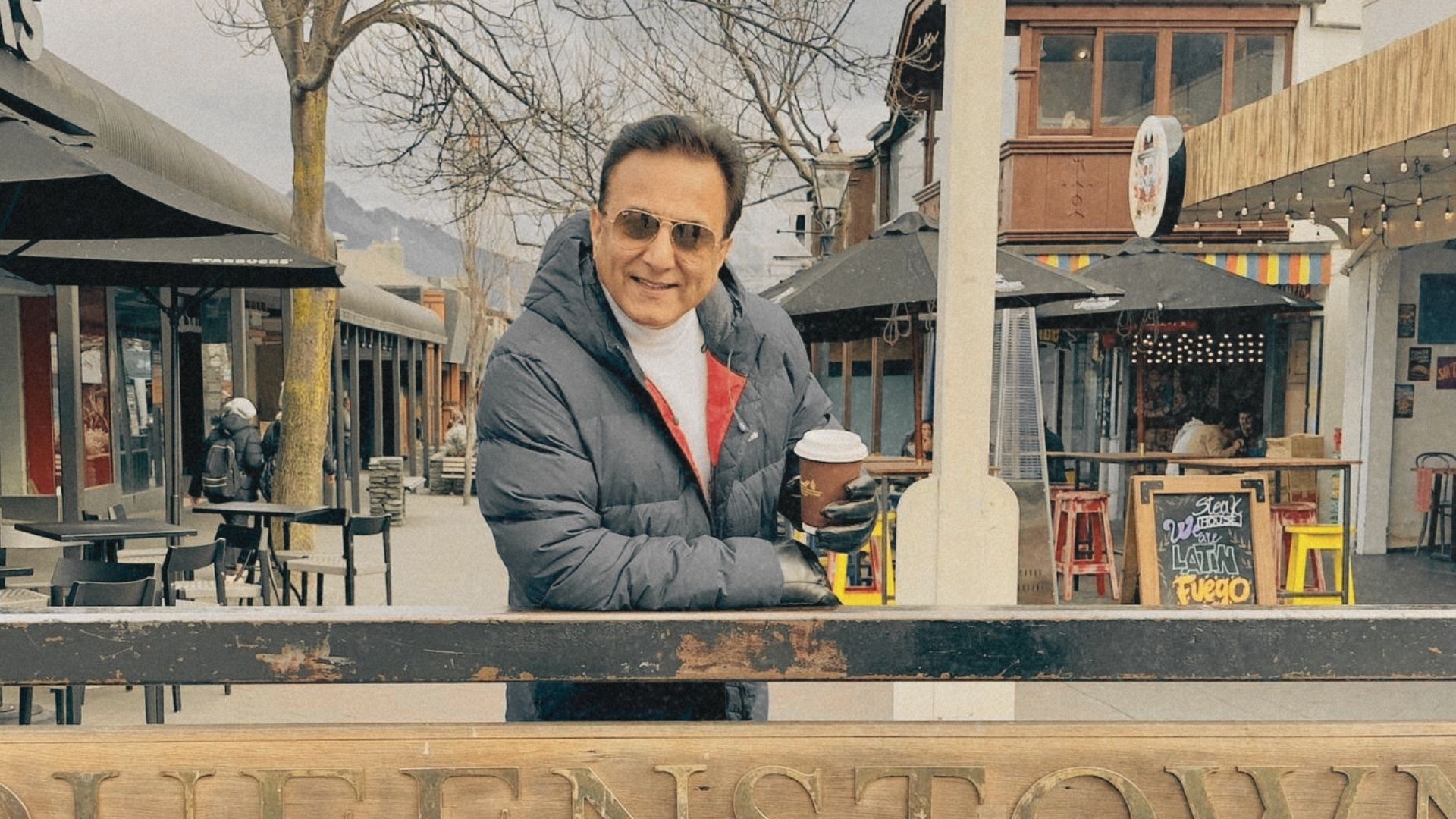
Ravi Bajpai January 22, 2026

A friend of mine parks in a four-hour zone and leaves her car there the whole day, like it’s a family plot handed down through generations. When I pointed out the small matter of the actual parking sign, she waved me off. “Relax. Nobody checks.”

She said it with the breezy confidence of someone who has performed a cost–benefit analysis and found the universe agreeable. This is the exact behaviour many of us spent years complaining about back home — the casual bending, the strategic dodging, the tiny rebellions that make life feel like an obstacle course.

We swore we were done with all that. We landed in New Zealand expecting order, serenity, and perhaps a nation of people who instinctively follow queues the way birds follow migratory routes. Then the old instincts start leaking out of us.

Another friend found a clever way to skip a long right-turn queue. Perfectly legal, technically. But also the kind of thing that makes everyone else on the road glare at you like you’ve personally ruined their day.

To me, it seemed so obviously wrong at first. A shortcut dressed as legitimacy. I happily took the moral high ground. The view from up there was lovely. Then, over the next few months, I found myself doing the same manoeuvre. Just once, I told myself. Then again, because the first time didn’t lead to the collapse of Western civilisation. Before long, I had joined the ranks of people I was quietly judging.

When I’d earlier pointed out the ethical issue, my friend had said, “The road rules haven’t kept pace with the traffic increase.” I’m only breaking the rule because the rule broke first. Classic.

Back home, bending the rule wasn’t moral failure; it was often self-preservation. Here, those same techniques jump out in the supermarket queue, at the traffic light, in the parking lot — behaving like old software auto-launching despite repeated attempts to uninstall.

Every now and then, I catch myself doing something I moved here to escape. That’s the comic tragedy of migration: discovering that I didn’t just bring my suitcase; I brought the entire database of reflexes I believed I’d outgrown.

Migration isn’t a clean swap where you exchange old habits for new ones. It’s an ongoing negotiation with the earlier versions of yourself — the one that misplaces cutting corners for some form of efficiency.

Sometimes the real journey is just noticing the things you carried across without meaning to — the good, the bad, and the mildly embarrassing.
Most Popular

Over the past three decades, New Zealand’s imports

Over the past three decades, New Zealand’s imports

Over the past three decades, New Zealand’s imports of “ultra-processed” foods and drinks increased significantly, from 16 kilograms per person in 1990 to 104 kilograms in 2023.

Mar 20, 2026 | 8 min read
After a summer of weather disasters, will Kiwis make climate an election issue?

After a summer of weather disasters, will Kiwis make climate an election issue?

Extreme weather-related events in early 2026 – including the

Mar 18, 2026 | 8 min read
For a country that consistently punches above its weight on the world stage, the strategy signals a shift

For a country that consistently punches above its weight on the world stage, the strategy signals a shift

On a spring morning in late September, a conference room in Auckland filled with an unusually diverse mix of people

Mar 16, 2026 | 8 min read
For a country that consistently punches above its weight on the world stage, the strategy signals

For a country that consistently punches above its weight on the world stage, the strategy signals

On a spring morning in late September, a conference room in Auckland filled with an unusually diverse mix of people

Mar 16, 2026 | 8 min read
On a spring morning in late September, a conference room in Auckland filled

On a spring morning in late September, a conference room in Auckland filled

On a spring morning in late September, a conference room in Auckland filled with an unusually diverse mix of people: diplomats and officials sat alongside athletes, sport executives, and Indian government representatives.
Mar 13, 2026 | 8 min read
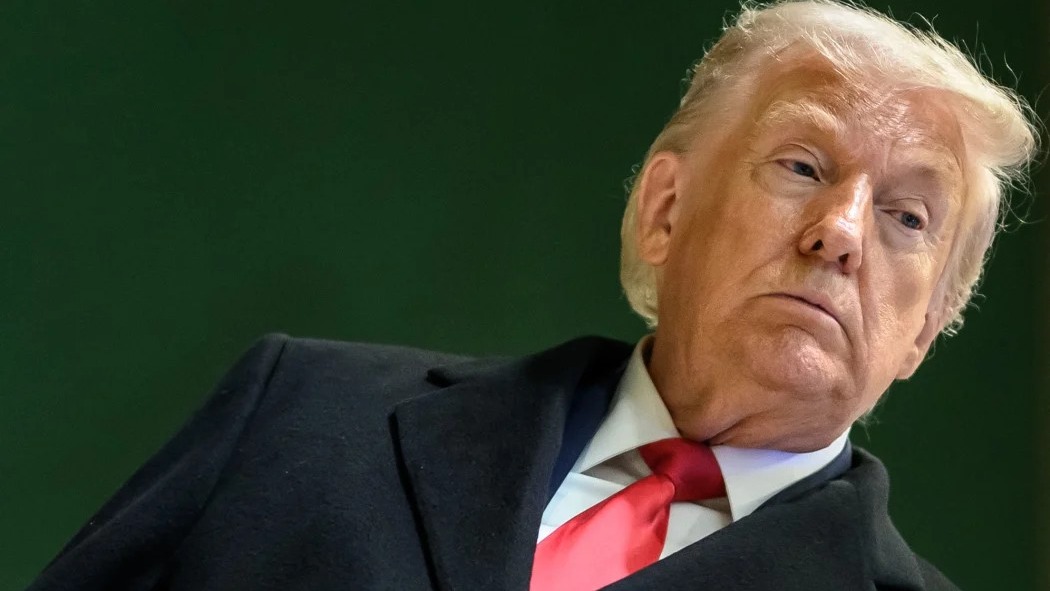
US President Donald Trump has begun talking of the end, daily, and of victory in Iran

US President Donald Trump has begun talking of the end, daily, and of victory in Iran

President Donald Trump's rhetorical knots fit well with his style of dictating

Mar 13, 2026 | 8 min read
Diplomats and officials sat alongside athletes, sport executives, and Indian government representatives.

Diplomats and officials sat alongside athletes, sport executives, and Indian government representatives.

On a spring morning in late September, a conference room in Auckland filled with an unusually diverse mix of people

Mar 13, 2026 | 8 min read
With a seating capacity of nearly 130,000 spectators, the Narendra Modi Stadium

With a seating capacity of nearly 130,000 spectators, the Narendra Modi Stadium

With a seating capacity of nearly 130,000 spectators, the Narendra Modi Stadium in Ahmedabad can be a busy place.

Mar 13, 2026 | 8 min read
Test: On a spring morning in late September, a conference room in Auckland was empty

Test: On a spring morning in late September, a conference room in Auckland was empty

On a spring morning in late September, a conference room in Auckland filled with an unusually diverse

Mar 12, 2026 | 8 min read
India and New Zealand concluded negotiations on free trade deal in December last year

India and New Zealand concluded negotiations on free trade deal in December last year

The agreement is expected to come into play after both the countries sign the deal

Mar 12, 2026 | 8 min read