India-NZ FTA: Of sleeping ministers and a “crazy” Kiwi
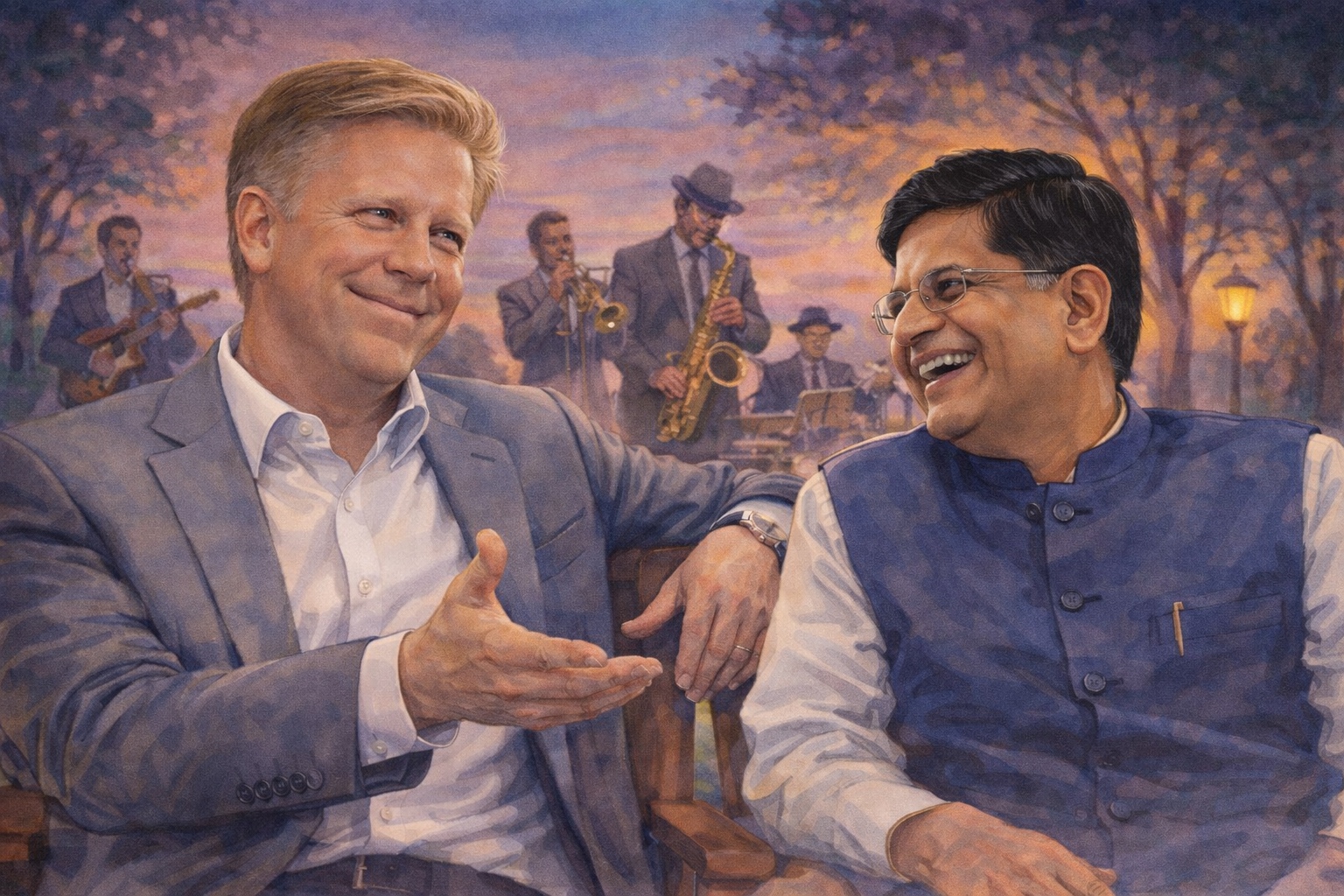
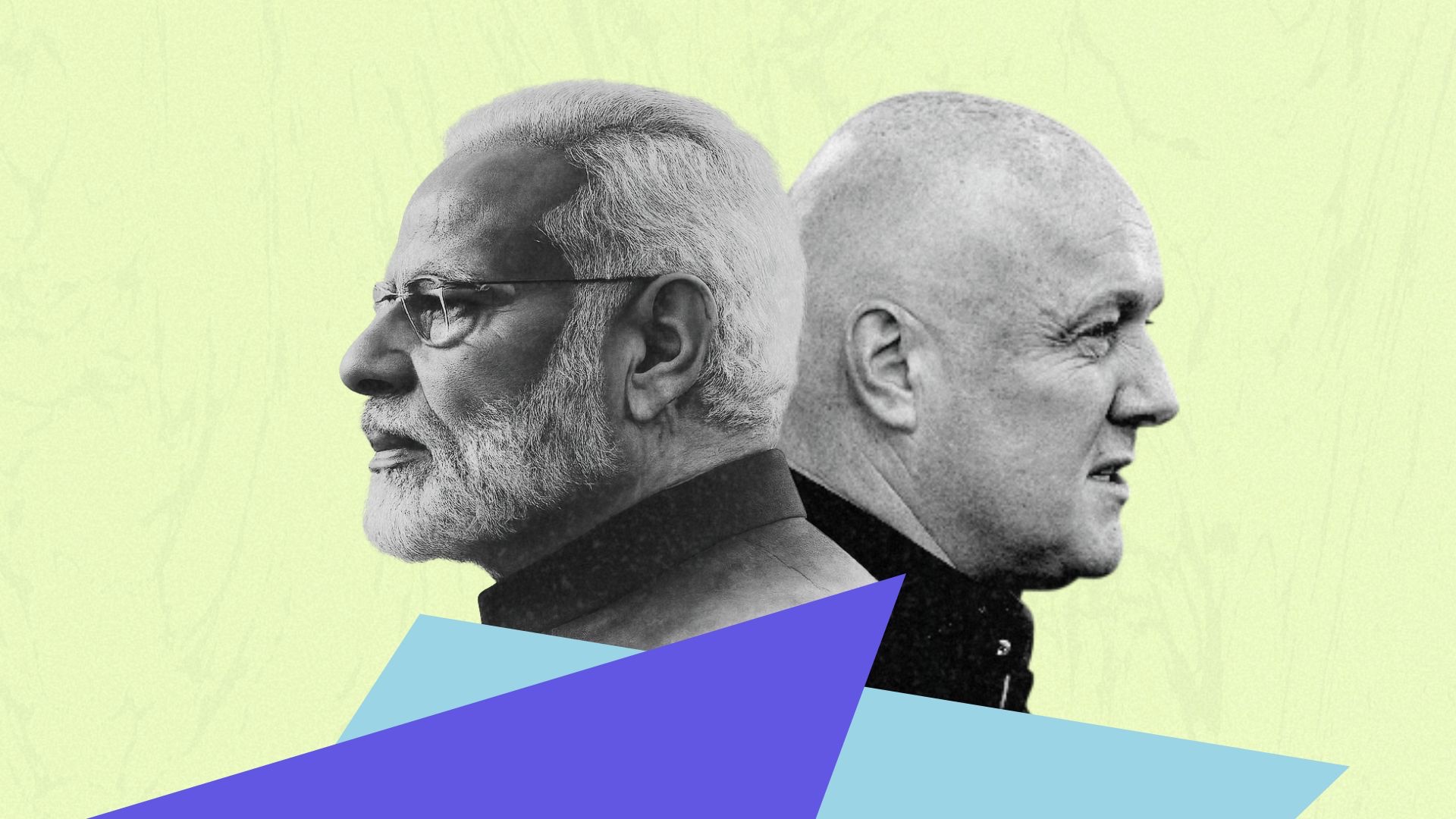
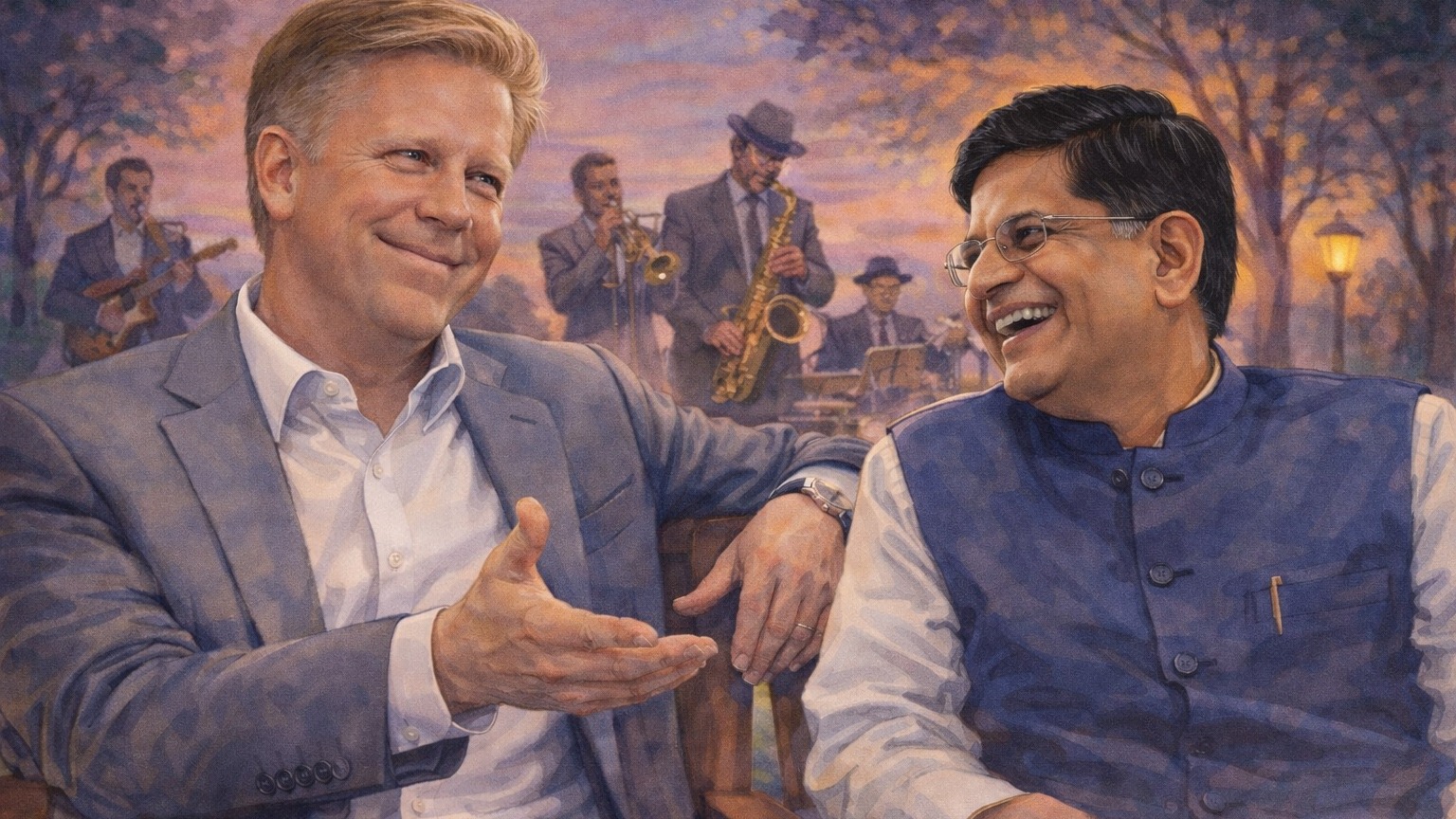
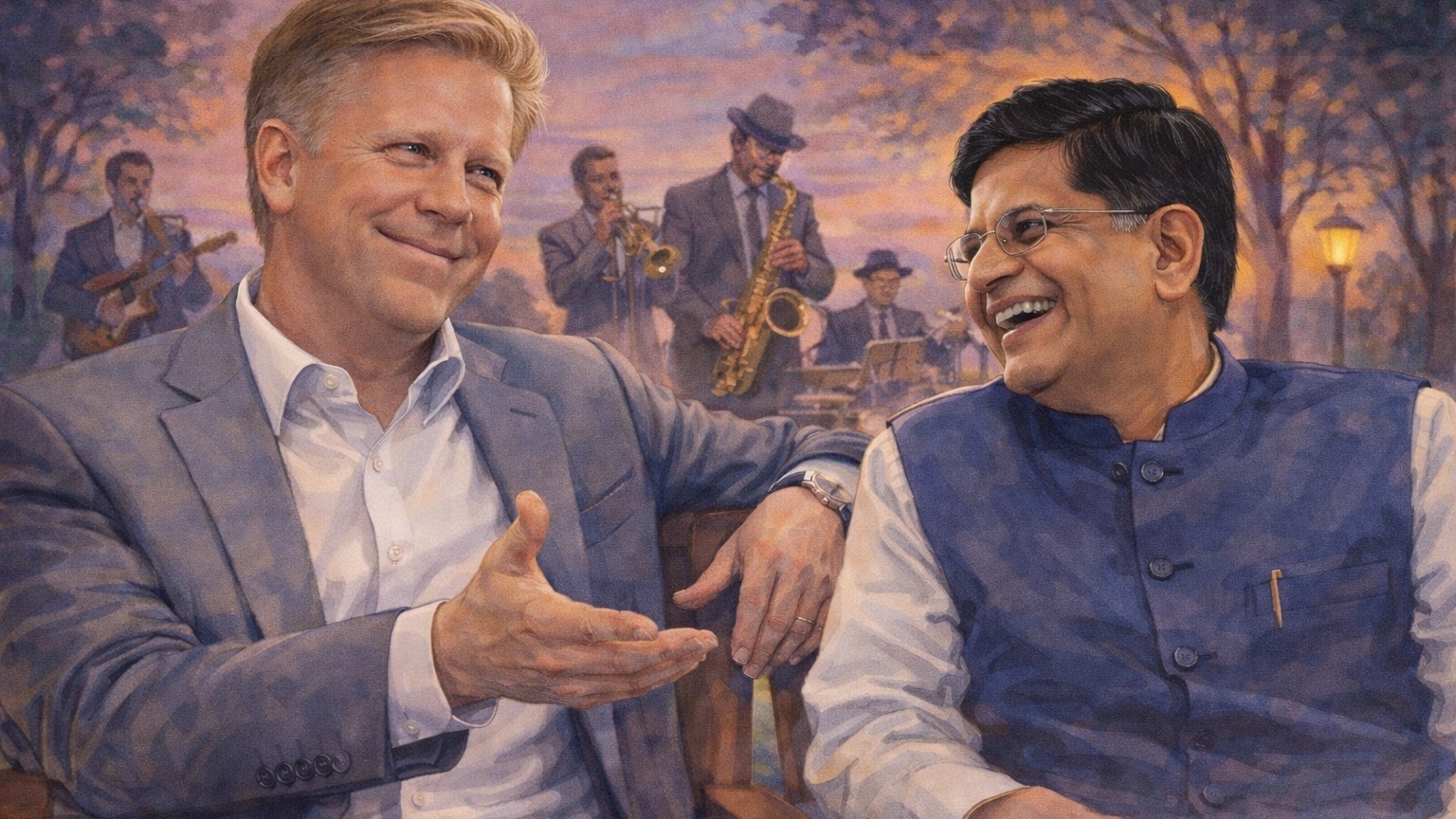
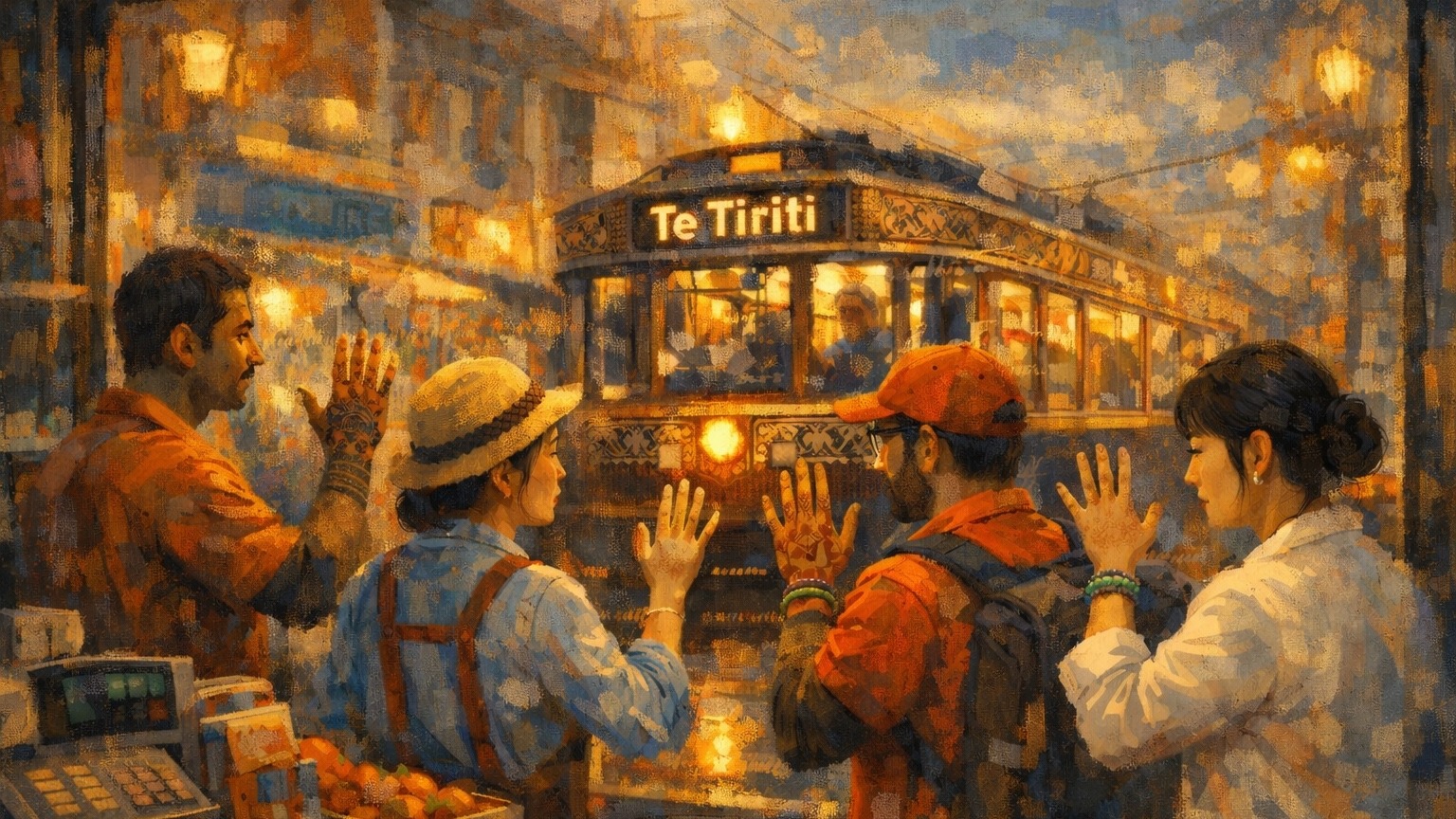
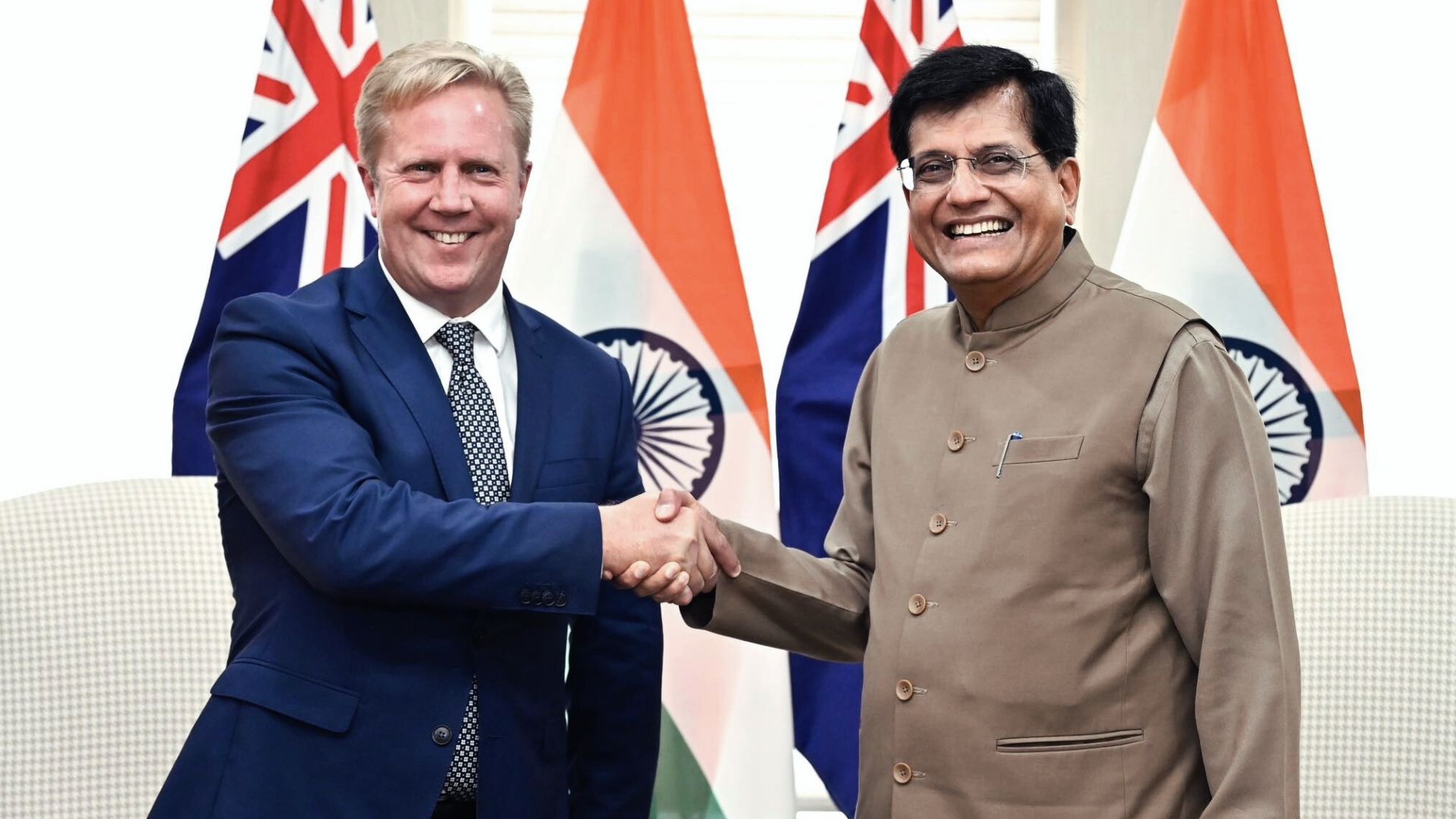
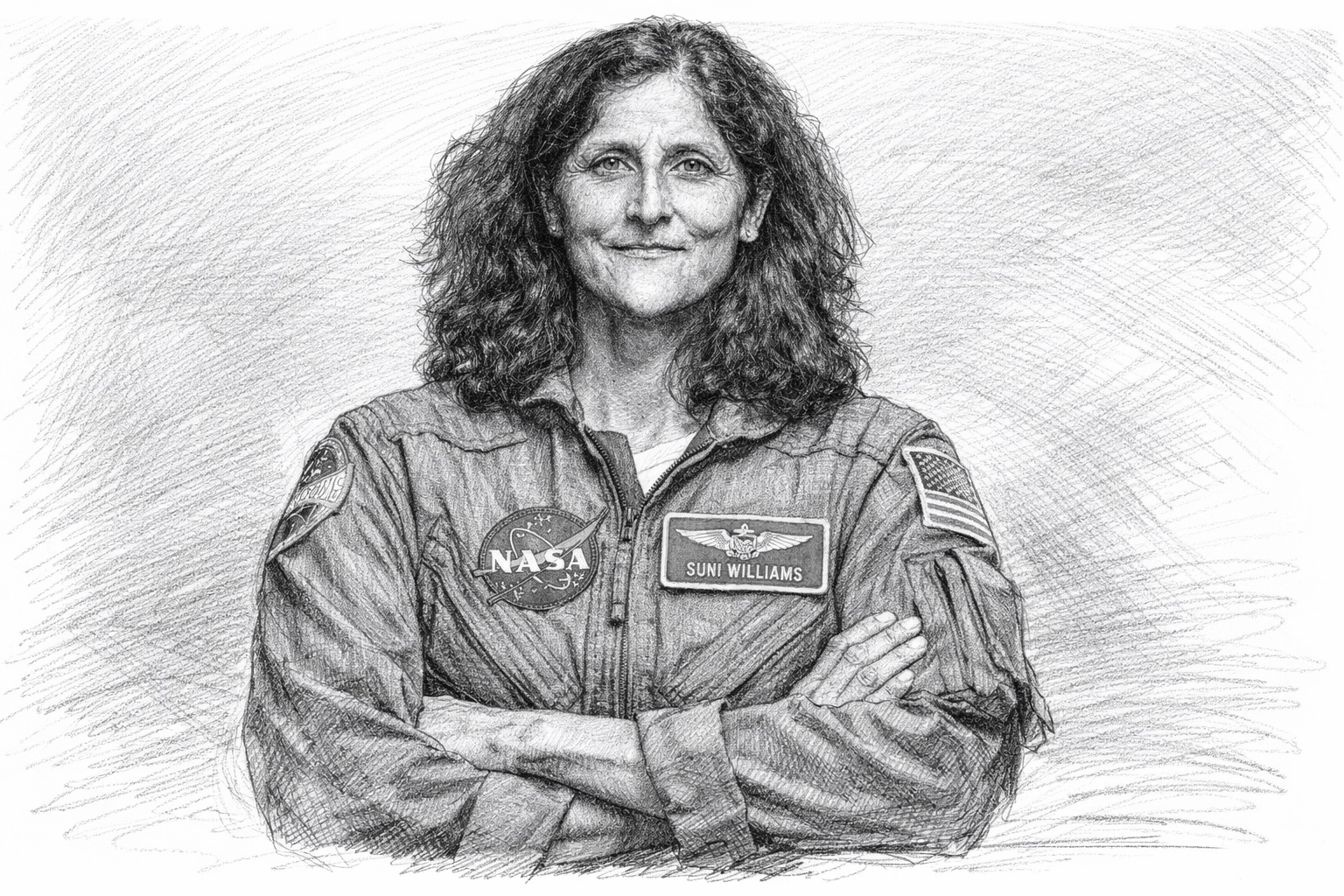
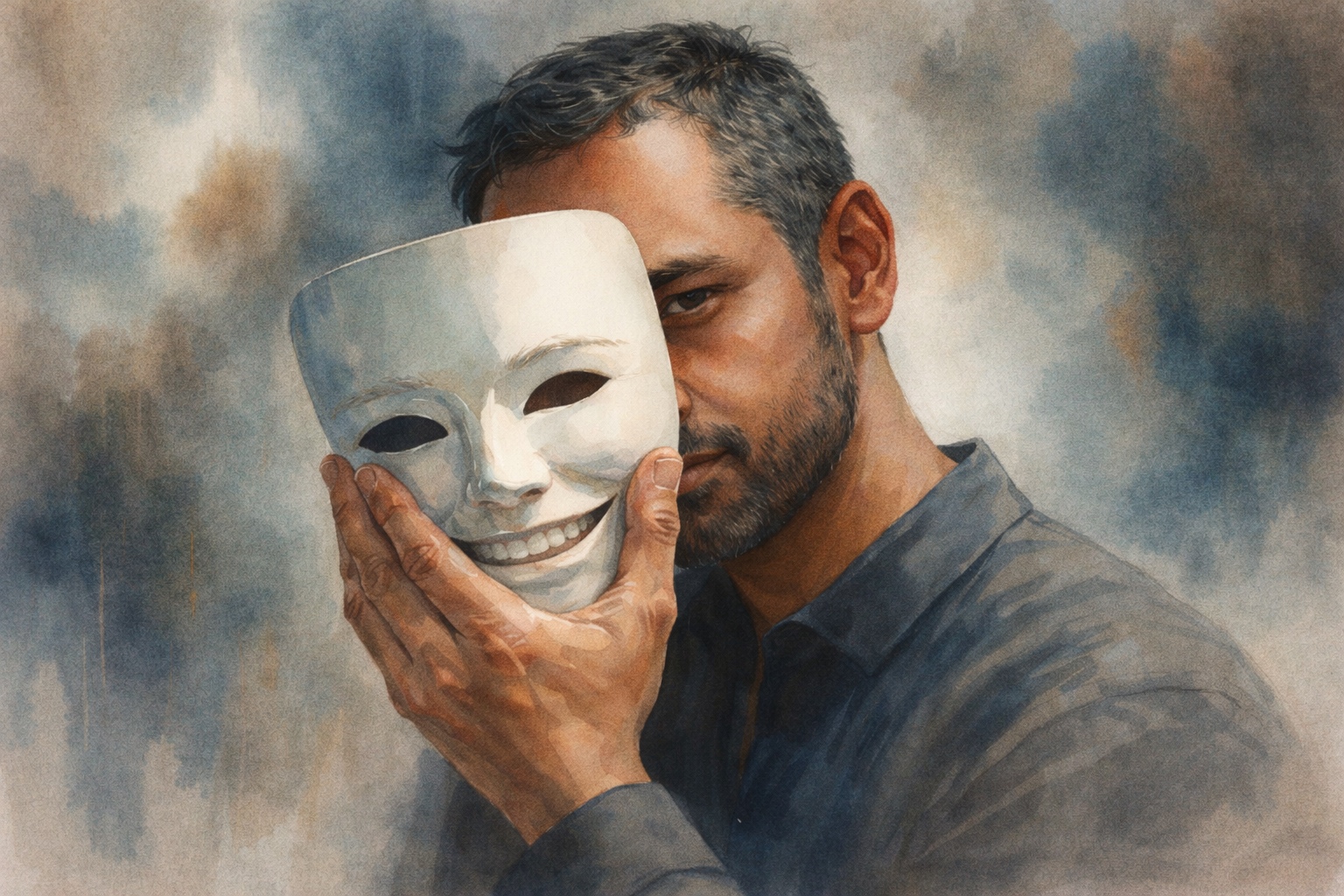
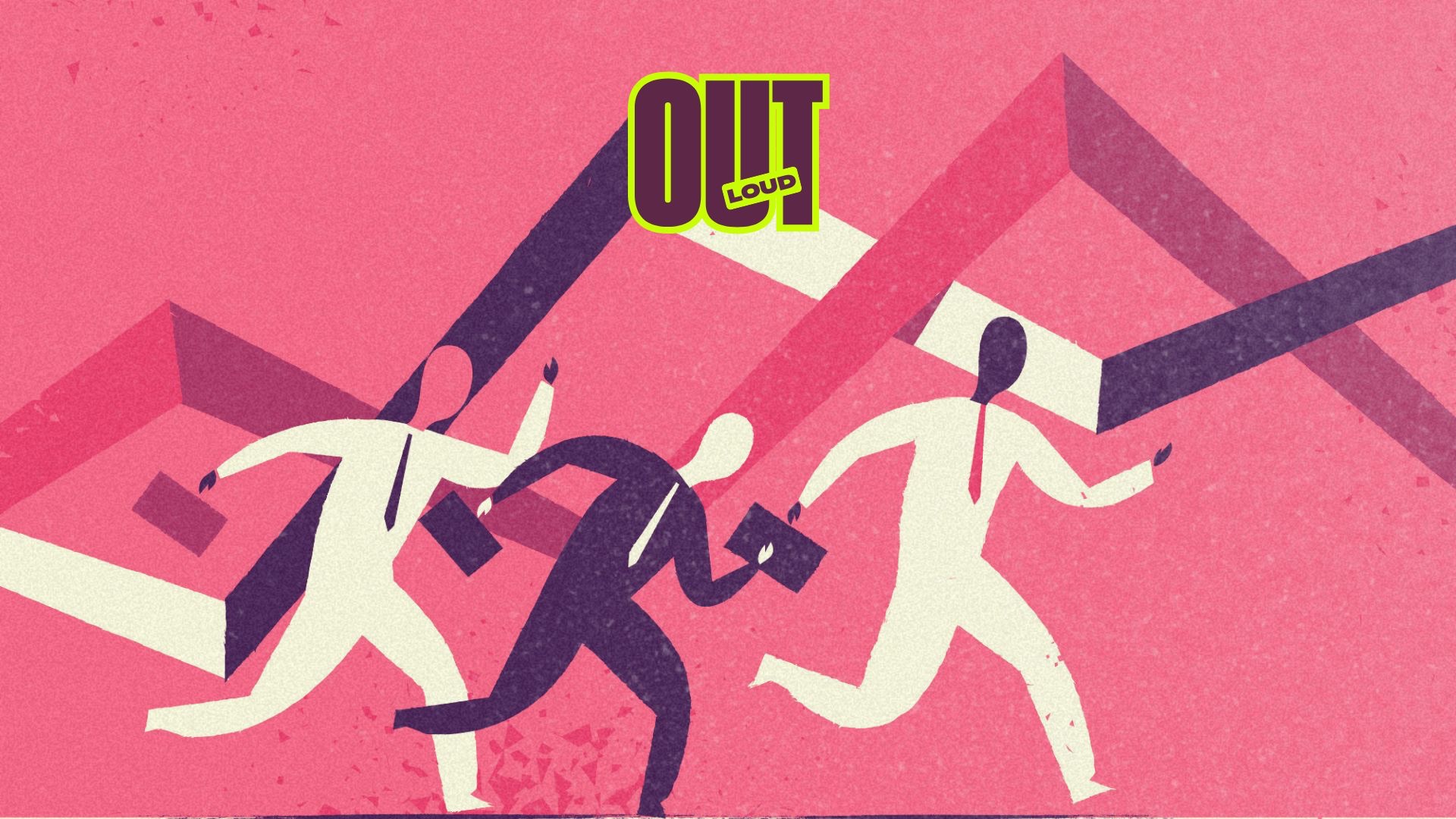
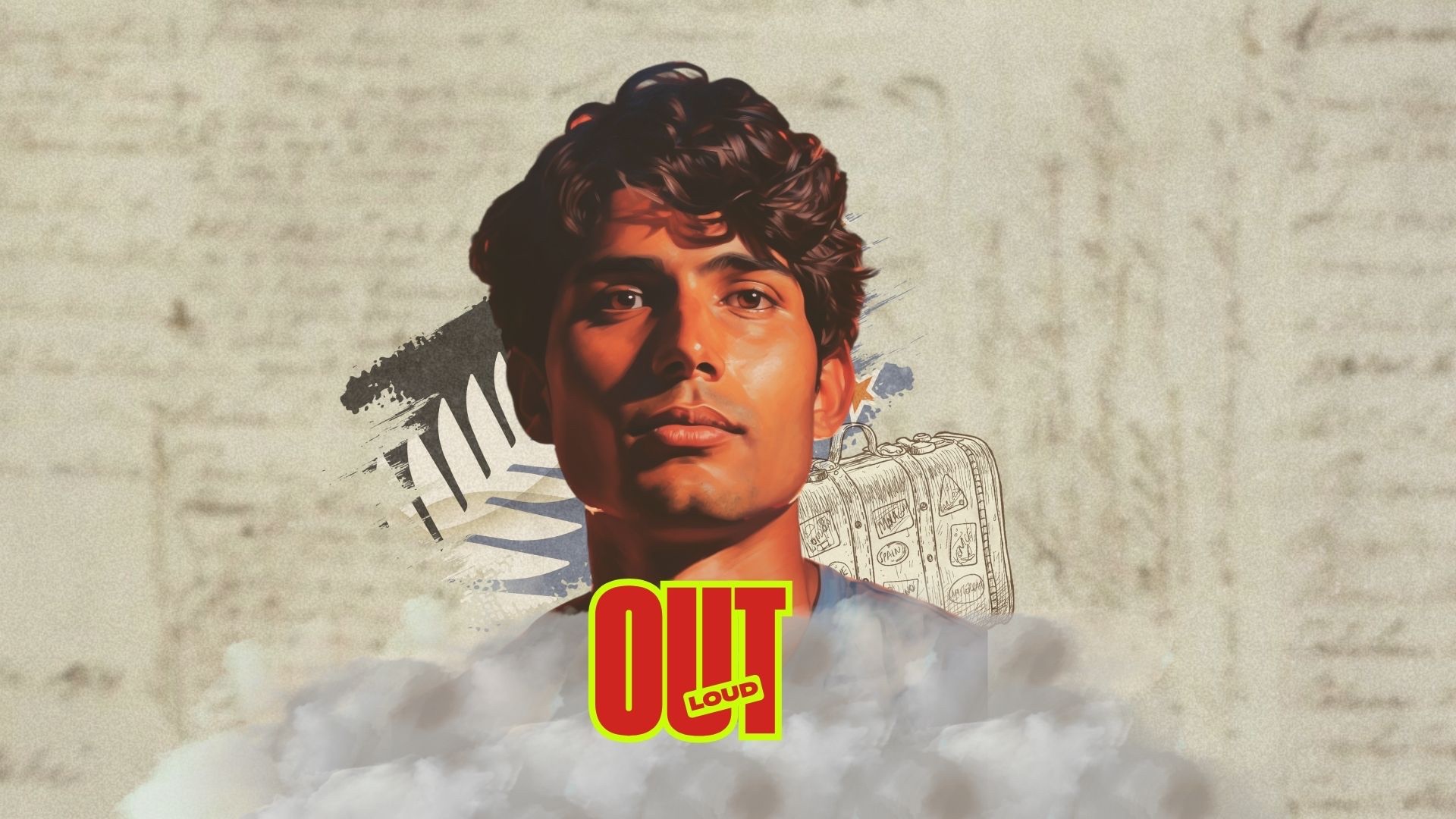
An illustration of trade minister Todd McClay and Indian counterpart Piyush Goyal. (Created by AI)
The real trade negotiations between India and New Zealand took place in odd pockets of the world.
India and New Zealand concluded negotiations on free trade deal in December last year. The agreement is expected to come into play after both the countries sign the deal, a milestone officials say they expect to achieve sooner than later.
Behind the seriousness of trade architecture sits a diplomatic story that is at times absurd, funny and far more human. It includes a pair of ministers accidentally falling asleep beside each other in Italy. It includes their partners bonding over the shared struggle of “he falls asleep everywhere”. And it includes New Zealand’s trade minister Todd McClay deciding, perhaps in a moment of jet-lagged bravado, that if his Indian counterpart Piyush Goyal wouldn’t pick a date for dinner, he would simply fly to India the next week and make it happen.
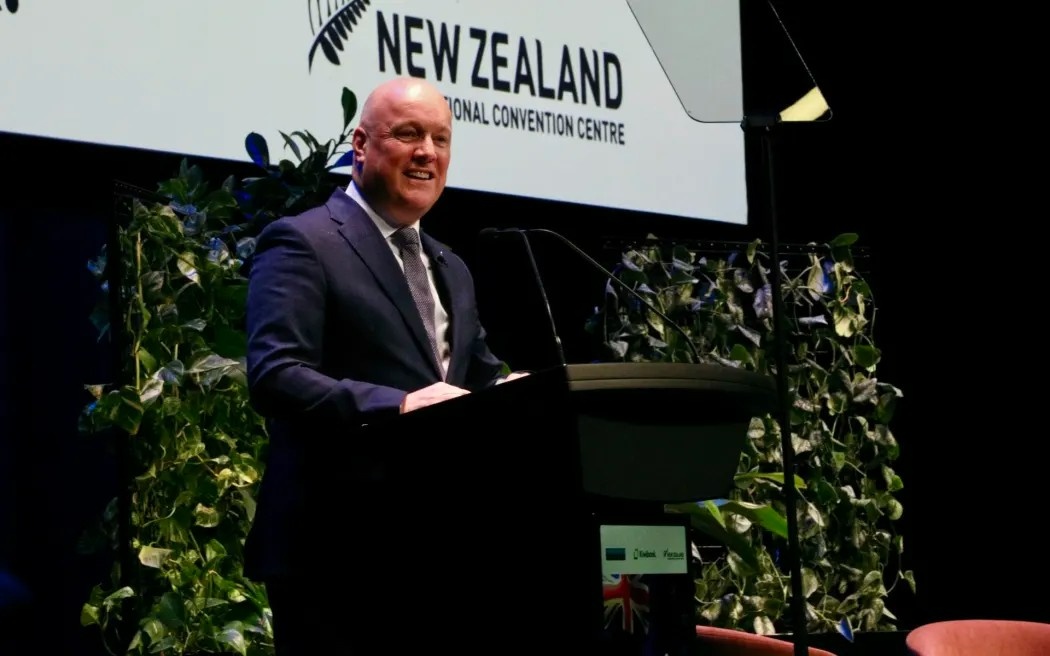
Speaking at a trade event in Auckland last month, McClay pinpointed the moment things shifted in the India, New Zealand story. “I think it was when we made the decision to say our relationship with India would be a strategic priority,” he said. “It sends a very, very important, very clear signal.”
A system used to flirting with the South Asian giant suddenly found itself committed to the relationship. While Wellington was re-evaluating the dynamics, McClay was already airborne. “I started getting on the plane and going to visit, talk and meet each other around the place,” he said.
Barely sworn in, he boarded a flight to New Delhi for a visit so short the media later suspected he had misfiled his travel expenses. He hadn’t. He simply never checked into a hotel. “We left here, we arrived early in the morning… and that evening I met with Mr. Goyal,” he recalled.
After the meeting, Goyal took him onto a balcony outside his Lutyens Delhi office, pointed out the landmarks and asked how long he was staying. When McClay said he was flying home that night, the Indian minister stared at him like a man trying to work out if this was dedication or a cry for help.
The story followed him to Abu Dhabi a few months later in February 2024 at WTO’s ministerial conference, where Goyal greeted him with a grin: “There’s that crazy Kiwi that flies all the way to my capital for one day.” A joke, yes — but also a tiny diplomatic hinge. Persistence is its own message. “I think it's six or seven visits (to India) now,” McClay said. “I stopped counting.”
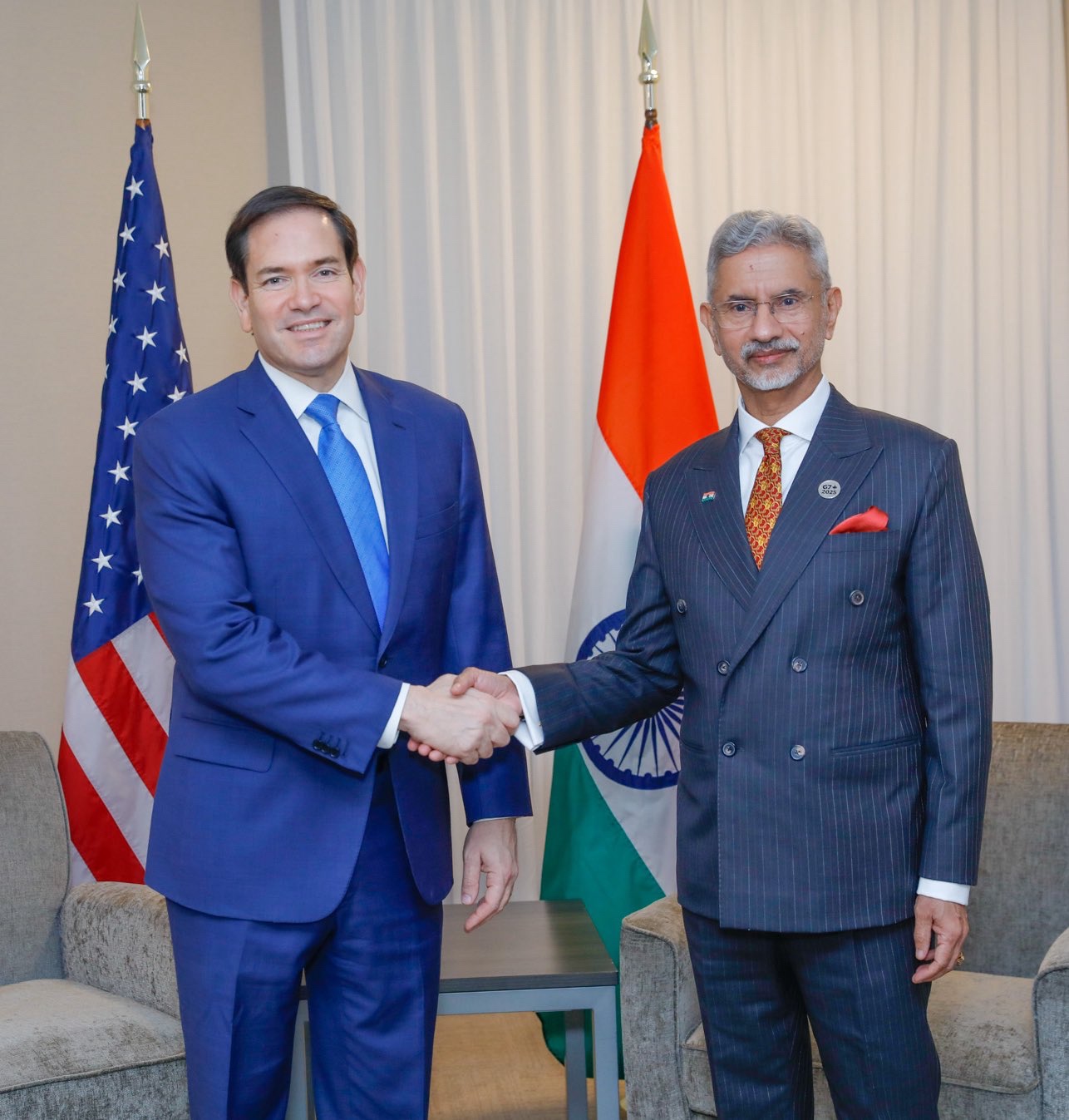
By the time the G7 Trade Ministers Meeting rolled around in Italy in July 2024, the two men had developed the kind of rapport that makes officials nervous. The two ministers met again, Sicily glowing behind them, and quickly drifted into election gossip. “We’re both parliamentarians, we like that sort of stuff,” McClay recalled.
Until then, the two ministers had often discussed the idea of having dinner together. But that suggestion always seemed more like vague politeness. It never got them to the dinner table. McClay had noticed that and he tried to lock it down.
“Why don’t we do it here?” he asked. Goyal said his schedule in Italy was packed. Then McClay made his move. “Well, I’ll come to India next week and have dinner.” Goyal blinked, and McClay later kept his promise.
But that wasn’t the end of their Italian story. At a late-night dinner during the same trip, musicians from the navy band began working their way through national pieces for each of the visiting countries. It was dark. The air was warm. The lights dimmed. Diplomats settled in. And both ministers, exhausted, fell asleep instantly. Each time the band finished, they snapped awake, clapped reflexively, then drifted off again.
Their partners, fully awake and mildly entertained, compared notes. “He’s always falling asleep,” said Goyal’s wife. “He’s exactly the same,” replied McClay’s partner. Somehow, as the two men nodded off, the relationship firmed up.
McClay recalls messaging Mrs Goyal later. “So lovely, lovely to meet you. Thank you for letting me sleep beside your husband.” If diplomacy is the art of relationship-building, this may be one of its strangest successes.
In Mumbai later that year, the theatre got bigger. When McClay drove into Goyal’s electorate, he found the motorway lined with enormous banners welcoming him – every power pole doing its part. “I looked at that and I thought that (the decision to visit Mumbai) was only two days ago. How did you get the resource consent?” McClay joked recounting that experience before the Auckland audience.
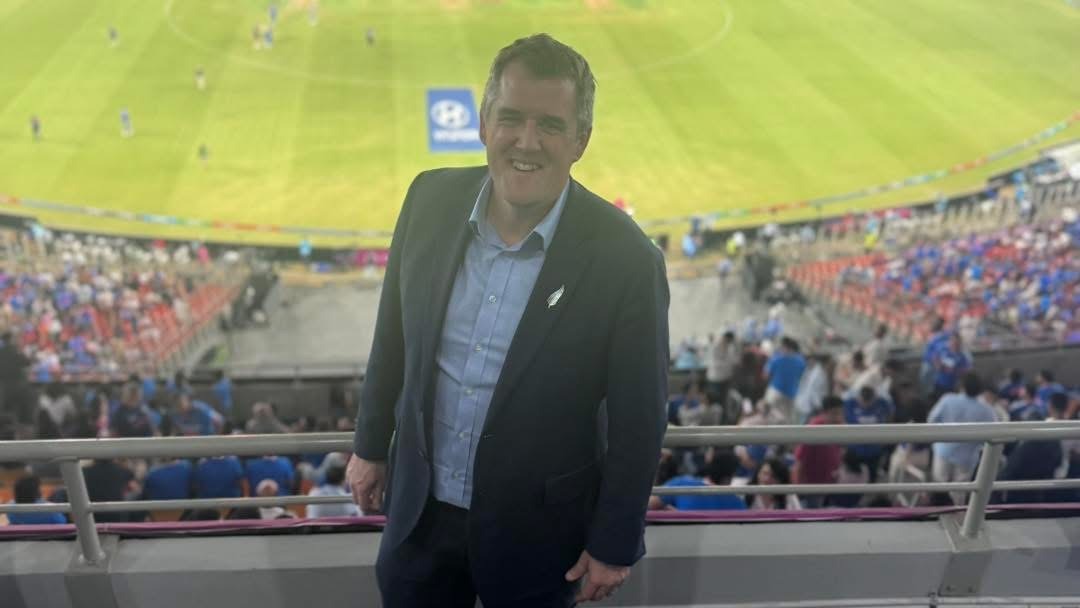
Then came the neighbourhood cricket match at Goyal’s parliamentary constituency in Mumbai. Nearly 30,000 people in the stands, cultural performances and cameras everywhere. McClay picked up a bat. Someone handed Goyal a ball.
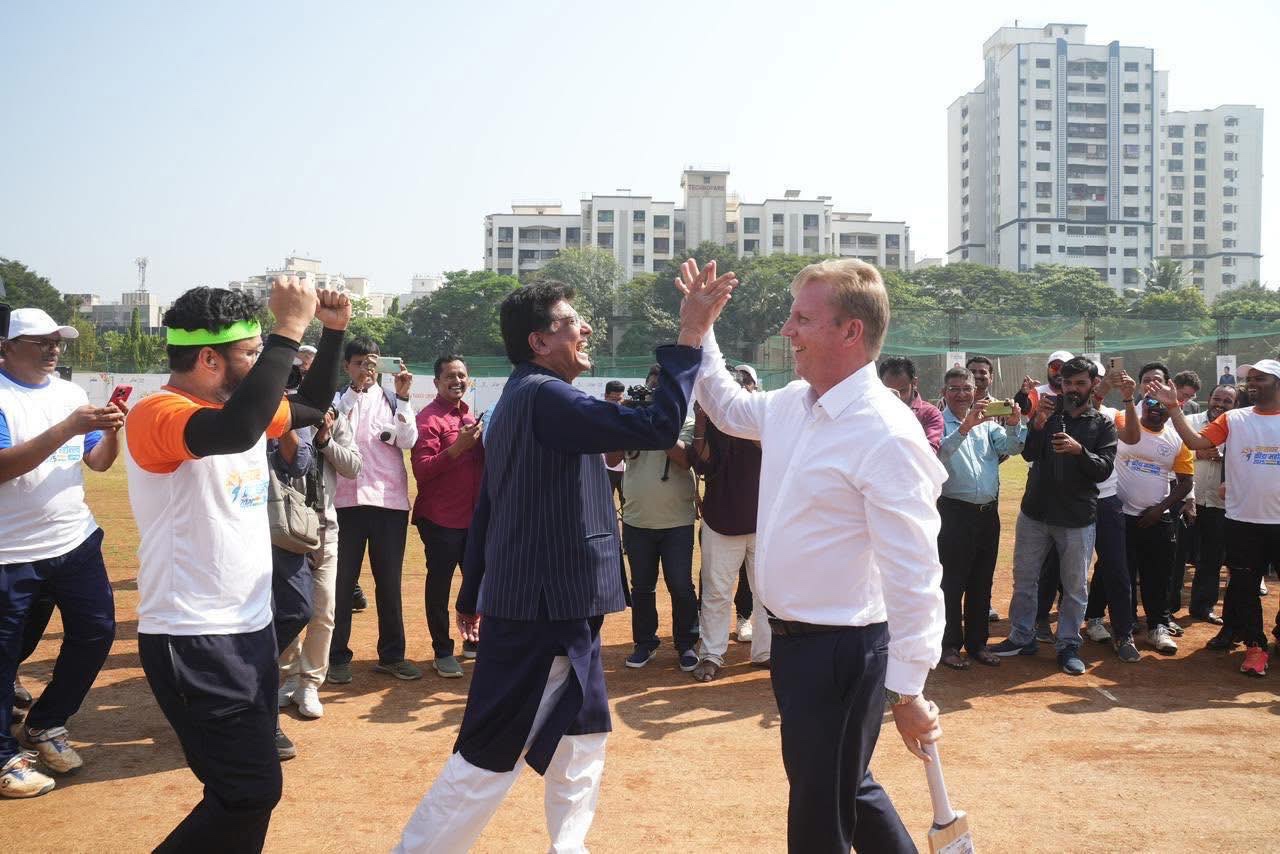
Todd McClay and Piyush Goyal enjoy a ceremonial bowl-down during a neighborhood cricket match in Mumbai in November 2025. (Supplied photo)
What followed was a diplomatic hazard. Goyal bowled McClay out in front of the crowd. When McClay got the microphone after the bowl-down, he delivered his punchline with relish.
“In our parliament I am the best batsman. And your local MP… that means he is the best bowler in all of India, because he bowled me today.”
Recalling that encounter in Auckland last month, McClay said, with the grin of a man who knows timing is everything, “If that doesn’t get us a trade deal, I’ve got no idea what else to do.”
When the agreement is finally signed, the photos will show flags and podiums and carefully worded statements. But the real negotiations took place in odd pockets of the world: a balcony in Delhi, a courtyard in Sicily, a Mumbai motorway covered in banners, a cricket field full of noise. A relationship built less on perfect alignment than on persistence, affection and the belief that liking each other helps.
McClay put it in simple terms. “We want to do this deal.”