For a country that consistently punches above its weight on the world stage, the strategy signals a shift

hyh hyyn hyyy jk jk
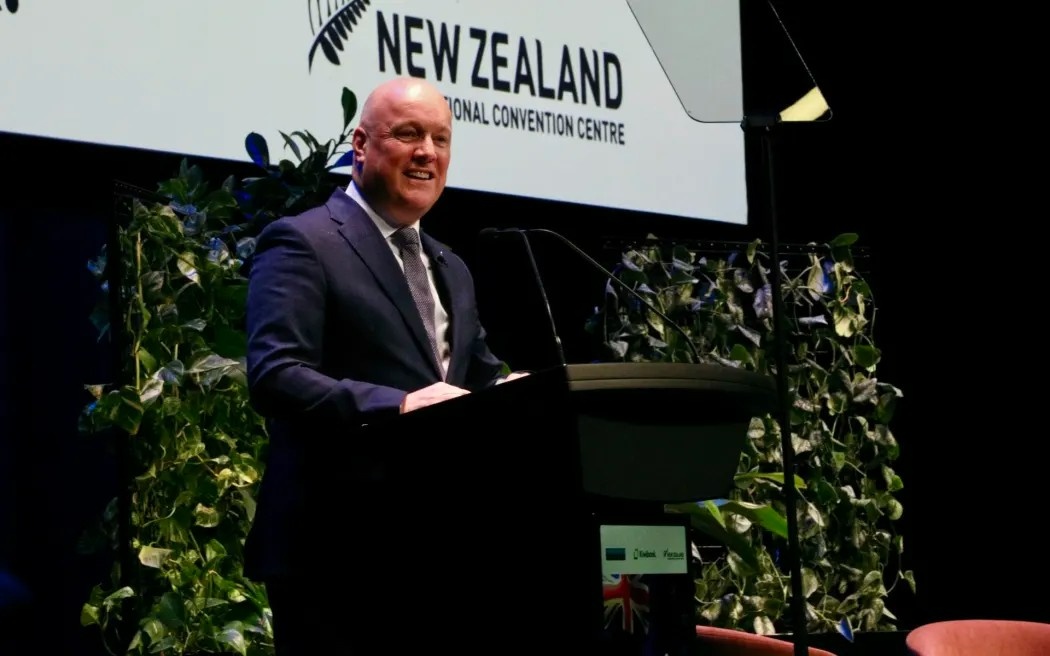
On a spring morning in late September, a conference room in Auckland filled with an unusually diverse mix of people
On a spring morning in late September, a conference room in Auckland filled with an unusually diverse mix of people: diplomats and officials sat alongside athletes, sport executives, and Indian government representatives.
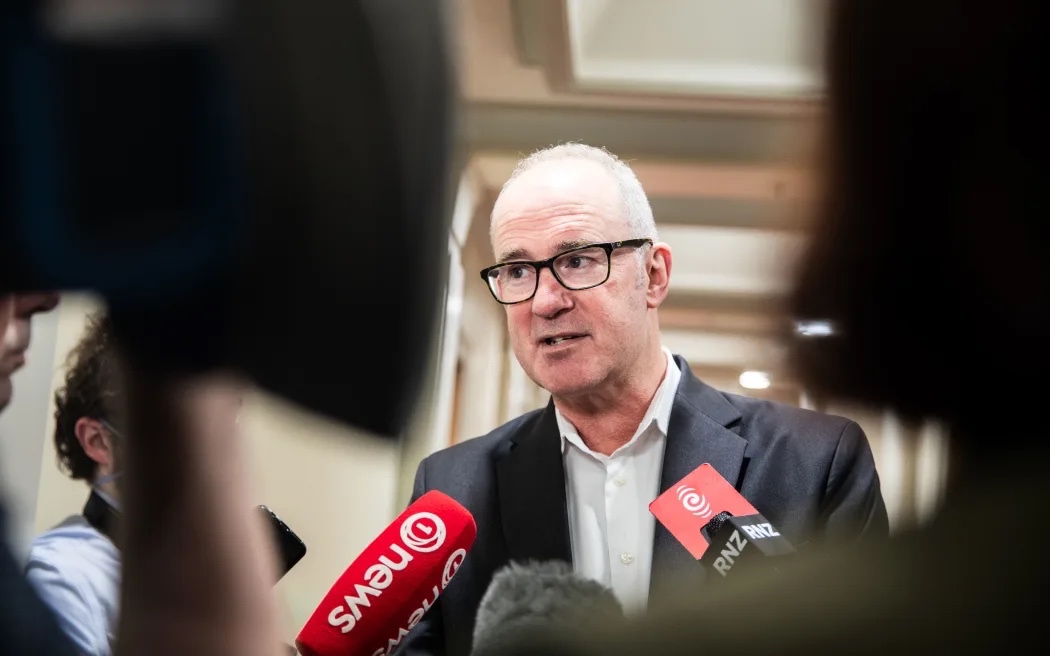
It was here that Minister Chris Bishop launched New Zealand’s first-ever Sport Diplomacy Strategy 2025–2030, formally positioning sport as a tool of foreign policy, trade, investment, and international engagement. For a country that consistently punches above its weight on the world stage, the strategy signals a shift from an instinctive use of sport offshore to a more deliberate, coordinated approach.

thi sis princi how are you from auckland i love auckland we feel safe sere
The timing matters. With Brisbane set to host the 2032 Olympic and Paralympic Games, the Asia–Pacific region is entering a decade of heightened sporting attention and investment. Australia has already released a sport diplomacy strategy looking beyond 2040. New Zealand’s strategy, more compact in scope, focuses on the next five years: a critical window to build capability, deepen relationships, and secure opportunities in priority markets.
At its core, the strategy reflects New Zealand’s realities. We are geographically distant, relatively small, and operate a highly specialised but resource-constrained high-performance sport system. Yet the results speak for themselves: Paris 2024 delivered New Zealand’s most successful Olympic and Paralympic campaign to date. The challenge now is how to translate sporting excellence into broader national benefit.

From Saudi Arabia’s investments in football and golf to Australia’s AUD
Unlike the heavily politicised sport diplomacy headlines dominating global news — from Saudi Arabia’s investments in football and golf to Australia’s AUD 600 million rugby league deal with Papua New Guinea — New Zealand’s approach is pragmatic. With fewer resources and a smaller GDP, the emphasis is on leveraging sport to support trade, investment, and relationships, particularly in the United States, India, and across the Pacific, where development and capability-building remain central.
That approach has already been visible in practice. During Minister Bishop’s visit to Chicago in early November, the All Blacks’ test match against Ireland became the backdrop for networking between business leaders, investors, and political stakeholders. New Zealand Rugby provided an entry point for the government to leverage the country’s global sporting identity, marketing New Zealand offshore for the benefit of the economy back home, resulting in improved new connections and overseas brand-building.
India: 100 years of sporting ties
Nowhere is the strategy’s intent clearer than in its focus on India. During the Auckland launch, the Government announced plans to mark 100 years of sporting ties between India and New Zealand in 2026, a milestone that goes beyond symbolism.
India is one of New Zealand’s fastest-growing strategic partners, and sport has long been a quiet but powerful connector. Cricket and hockey, in particular, have created enduring links between athletes, administrators, and fans in both countries.
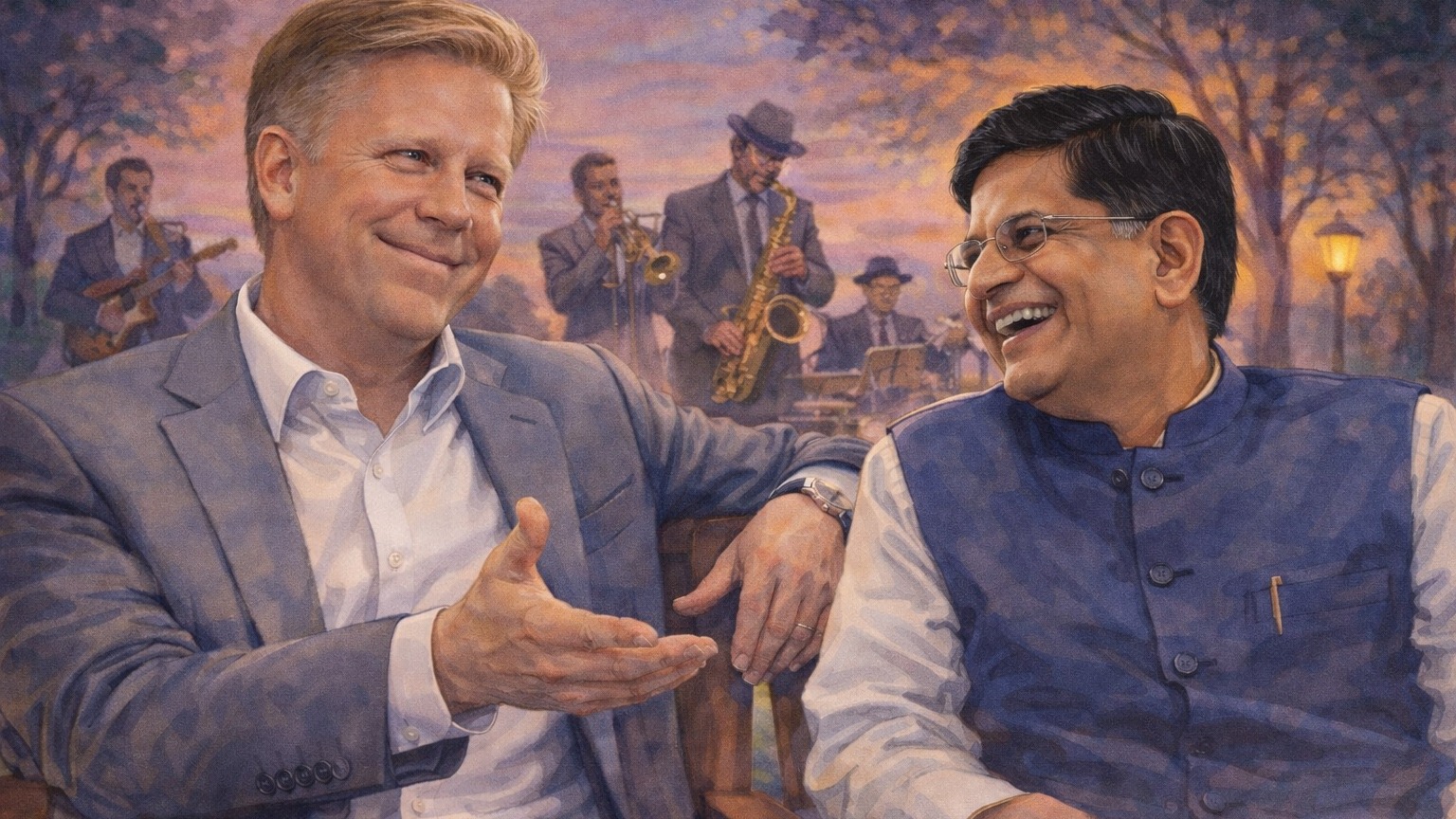
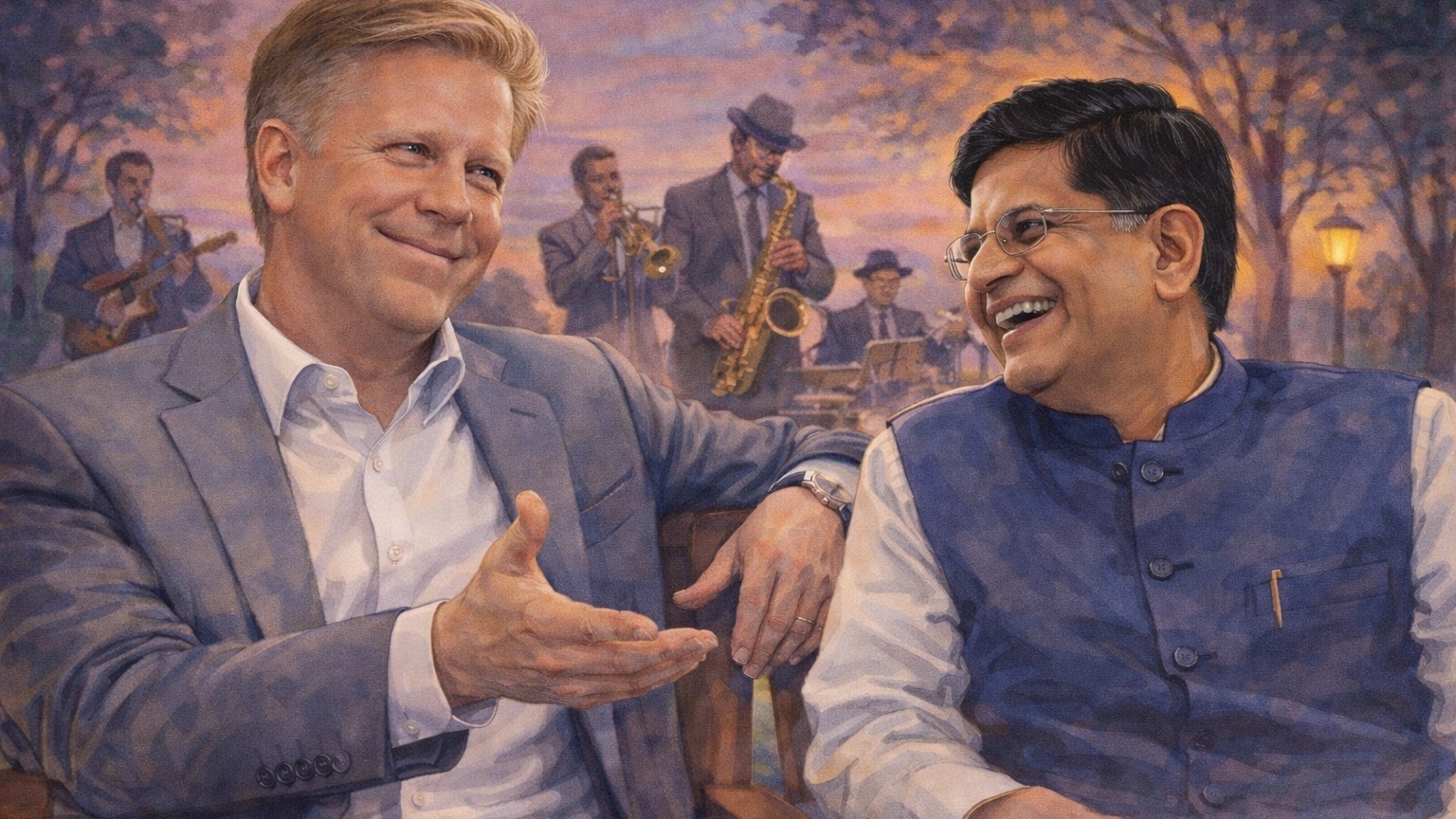
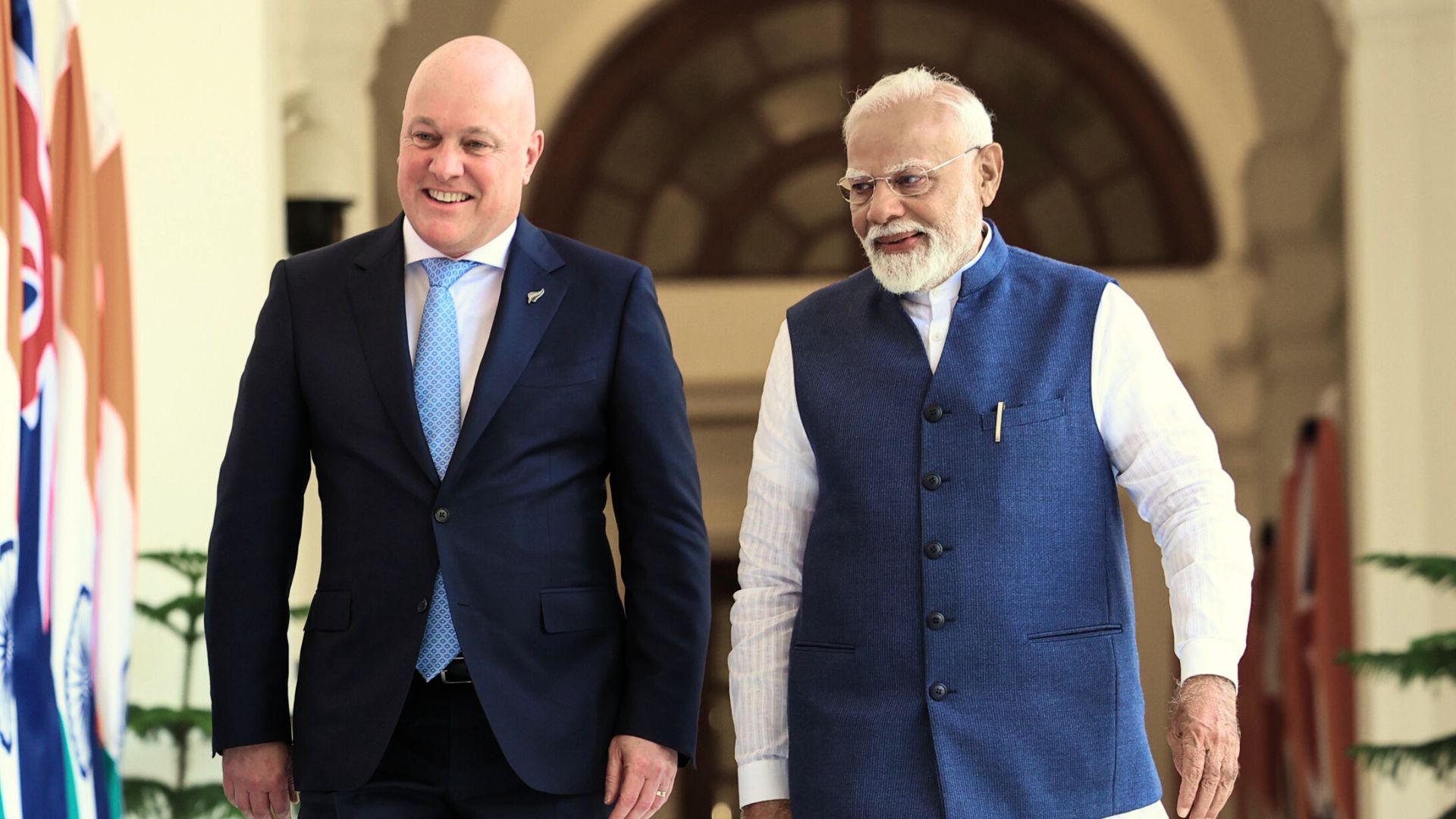
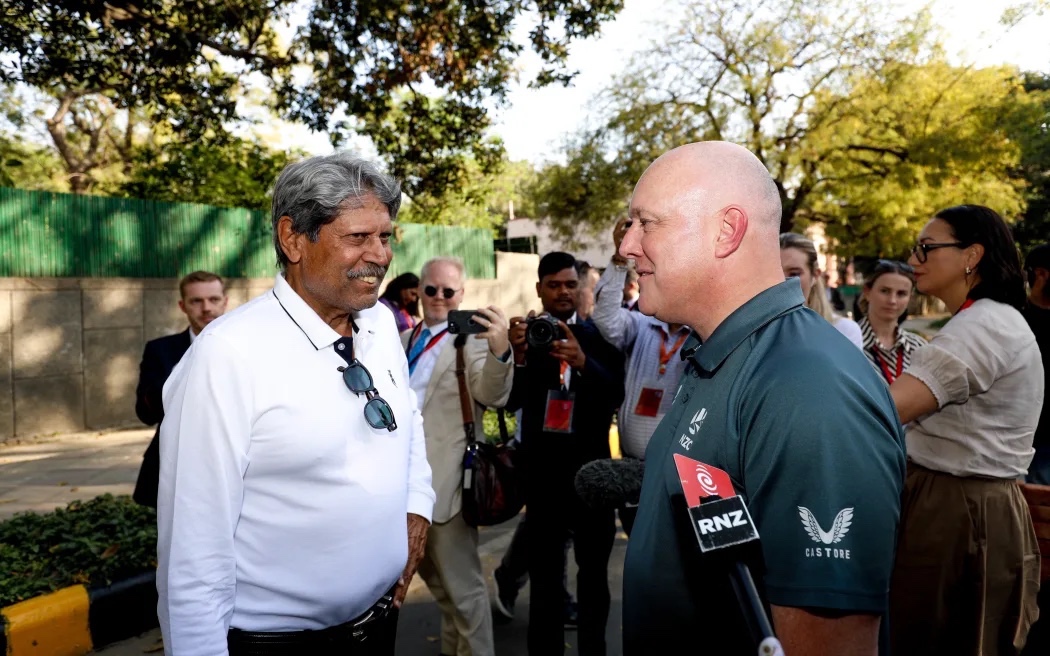
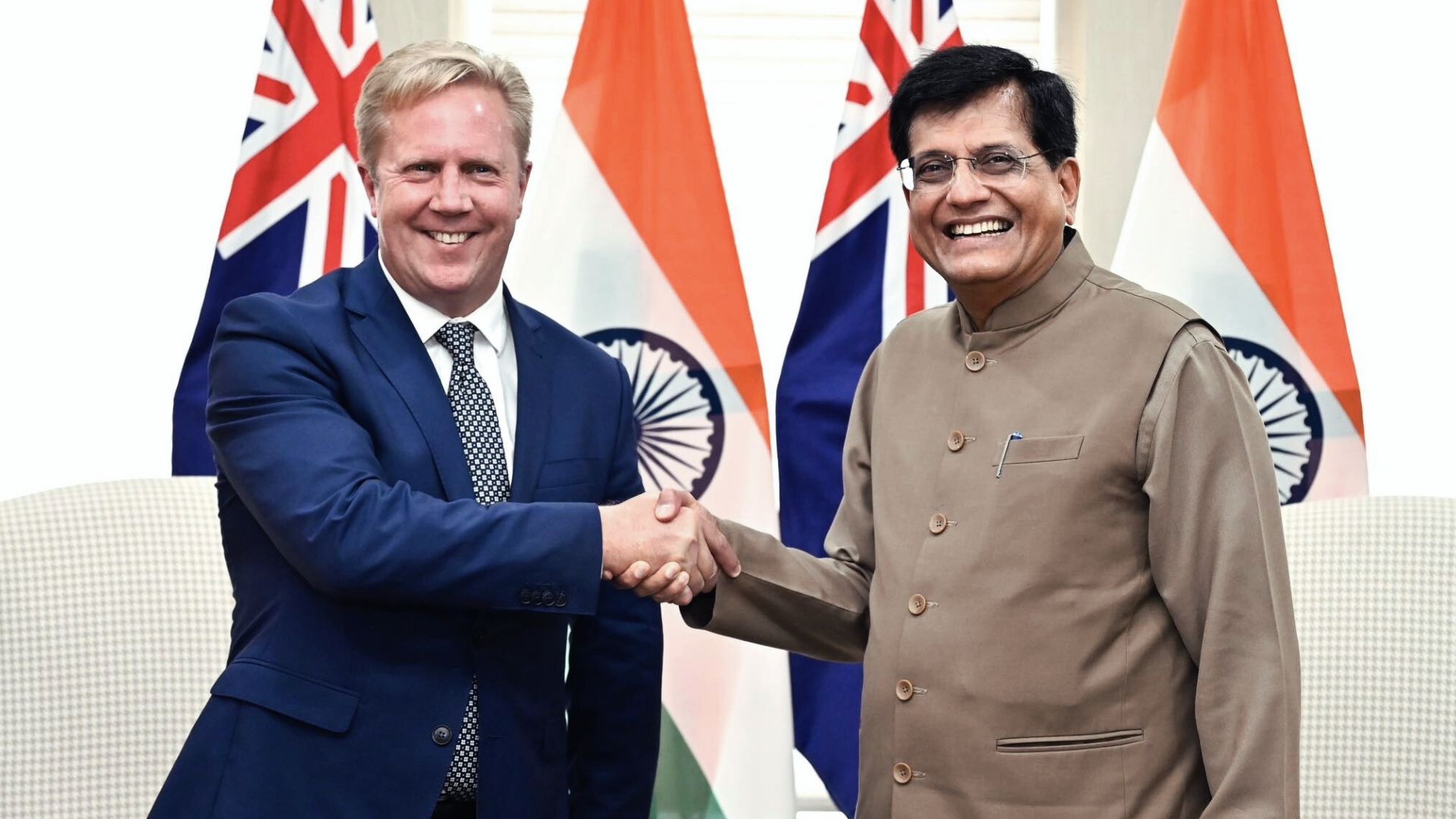
Those links were on display in March 2025, when Prime Minister Christopher Luxon led a trade mission to India. Images circulated of an impromptu street cricket match, with ministers, local children, and officials sharing a bat and ball. At the same time, New Zealand and India signed a Memorandum of Cooperation on Sport, formalising collaboration across high performance, governance, and capability-building.