Out loud: Who speaks for the quarter of New Zealand that is neither Pakeha nor Maori?
"The emphasis on a bicultural view of New Zealand citizenship is antithetical to our current demographic composition."
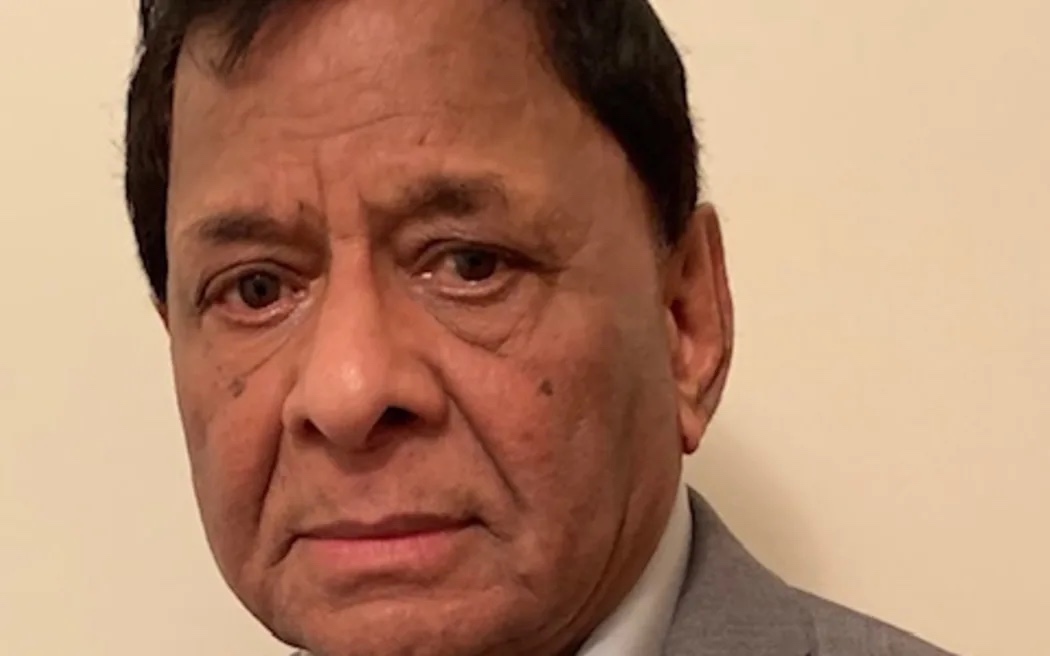
Ananish Chaudhuri, Professor of Economics at University of Auckland, wonders who is speaking up for migrants in New Zealand.
('Out Loud' is an opinion column that takes the political, cultural and social debates Indian migrant households save for home and says them out loud, consequences pending.)
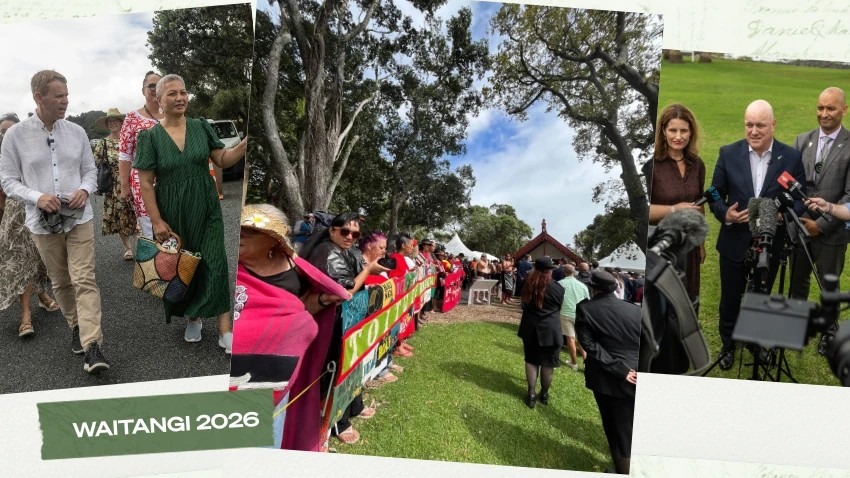
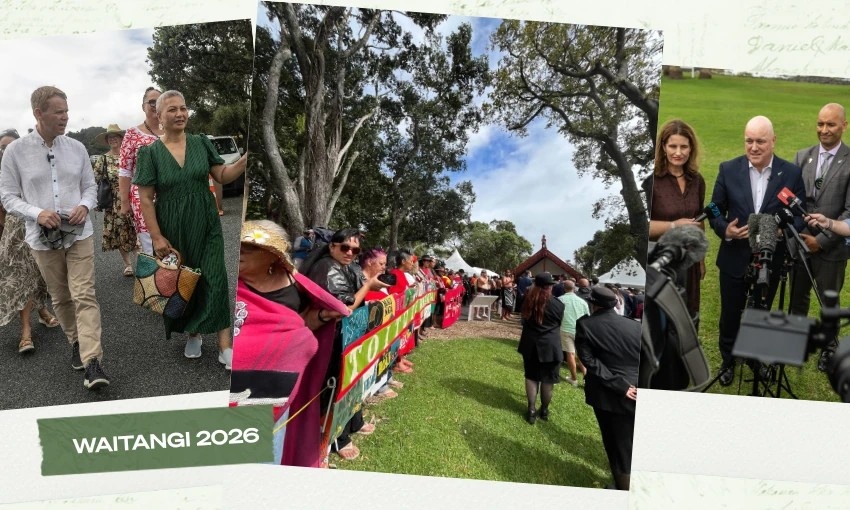
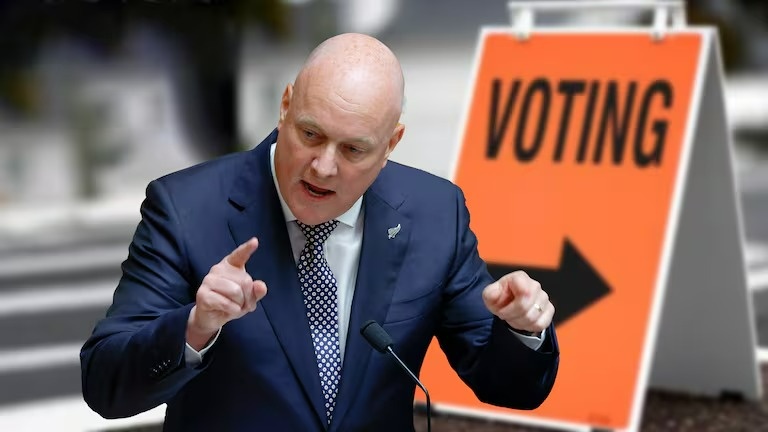
As another Waitangi Day comes and goes, the debate about Crown-Maori relationships continues to rage. This year though these discussions assume greater significance given that we are heading into an election. This election will be held in the aftermath of the Treaty Principles Bill, which attempted to provide clarity to these vexed issues including that of parliamentary sovereignty.
Why the debate around the Treaty and its implications is essential
Regardless of discrepancies between the Maori and English versions of Te Tiriti Waitangi, the debate on whether Maori ceded sovereignty to the British Crown is sublimated by a long list of subsequent acts (and laws) that hold New Zealand to be an independent sovereign state. Parliamentary sovereignty has long been considered a foundational constitutional rule.
Yet, during the Parliamentary debate that led to the Bill’s defeat, with no one other than ACT in support, what was surprising is that the leaders of our major parties found it so hard to defend the concepts of parliamentary sovereignty and equal rights for all citizens.
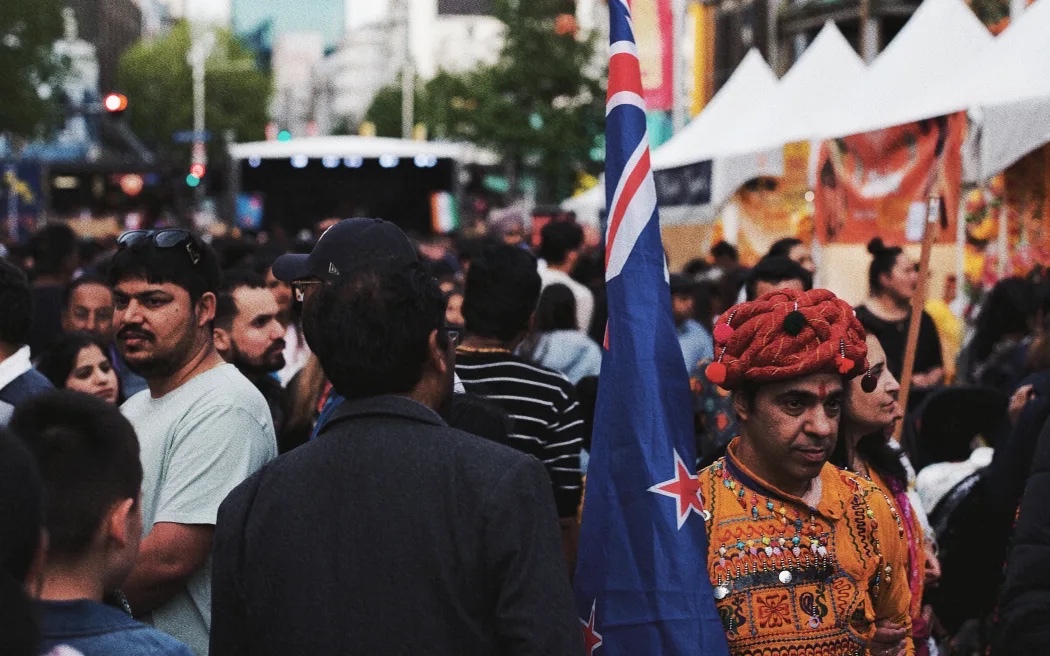
This matters because according to the 2023 census, out of New Zealand’s population of roughly five million people, 68 per cent identify as Pakeha, 18 as Maori, nine as Pacifika, 14 as Asian, two as Middle Eastern/Latin American/African and one per cent as other. (The percentages add to more than 100 since people are allowed to indicate more than one ethnicity.) A quarter of our population is neither Pakeha nor Maori.
Applying a bicultural lens to modern New Zealand society is inappropriate
The 1987 Court of Appeals decision argued that the treaty “signified a partnership between Pakeha and Maori requiring each other to act towards the other reasonably and with the utmost good faith” and that “the duty of the Crown was not just passive but extended to active protection of Māori people in the use of their lands and waters to the fullest extent practicable.”
But this emphasis on a bicultural view of New Zealand citizenship is antithetical to our current demographic composition or the basic tenets of a liberal democracy. If the treaty indeed establishes a partnership between two out of many ethnic groups residing in the country, and we are going to view our political process through this lens, then what does this imply for the quarter of the population that is neither Maori nor Pakeha?
This quarter of the population typically originates from other colonised nations, are not necessarily financially well-off and are people who have ventured to our shores in search of a better life. Did these people somehow become colonisers, and privileged, by the wave of a magic wand? Or are they destined to be second-tier citizens governed by an uneasy alliance between the Pakeha and Maori? If the basic argument is about equity then why are these people being excluded?
In a 2000 speech, former prime minister David Lange pointed out, “Here I come back to the government’s aim of closing the gaps between rich and poor, and the way in which it was overtaken in public understanding by the subsidiary goal of closing the gaps between Maori and the rest...What I mean is that from the point of view of a democratic government, the first goal can encompass the second, but the second can’t encompass the first. If the government’s goal is to reduce inequality, it follows that it will do whatever it can to improve the position of Maori.
Democratic government can accommodate Maori political aspiration in many ways. It can allocate resources in ways which reflect the particular interests of Maori people. It can delegate authority, and allow the exercise of degrees of Maori autonomy. What it cannot do is acknowledge the existence of a separate sovereignty. As soon as it does that, it isn’t a democracy. We can have a democratic form of government or we can have indigenous sovereignty. They can’t coexist and we can’t have them both.”
Uncertainty about the future for the non-Maori and non-Pakeha
We can choose to remain a liberal democracy where everyone counts, or we can become an ethnocentric nation based on identity politics and riven by ethnic tensions.
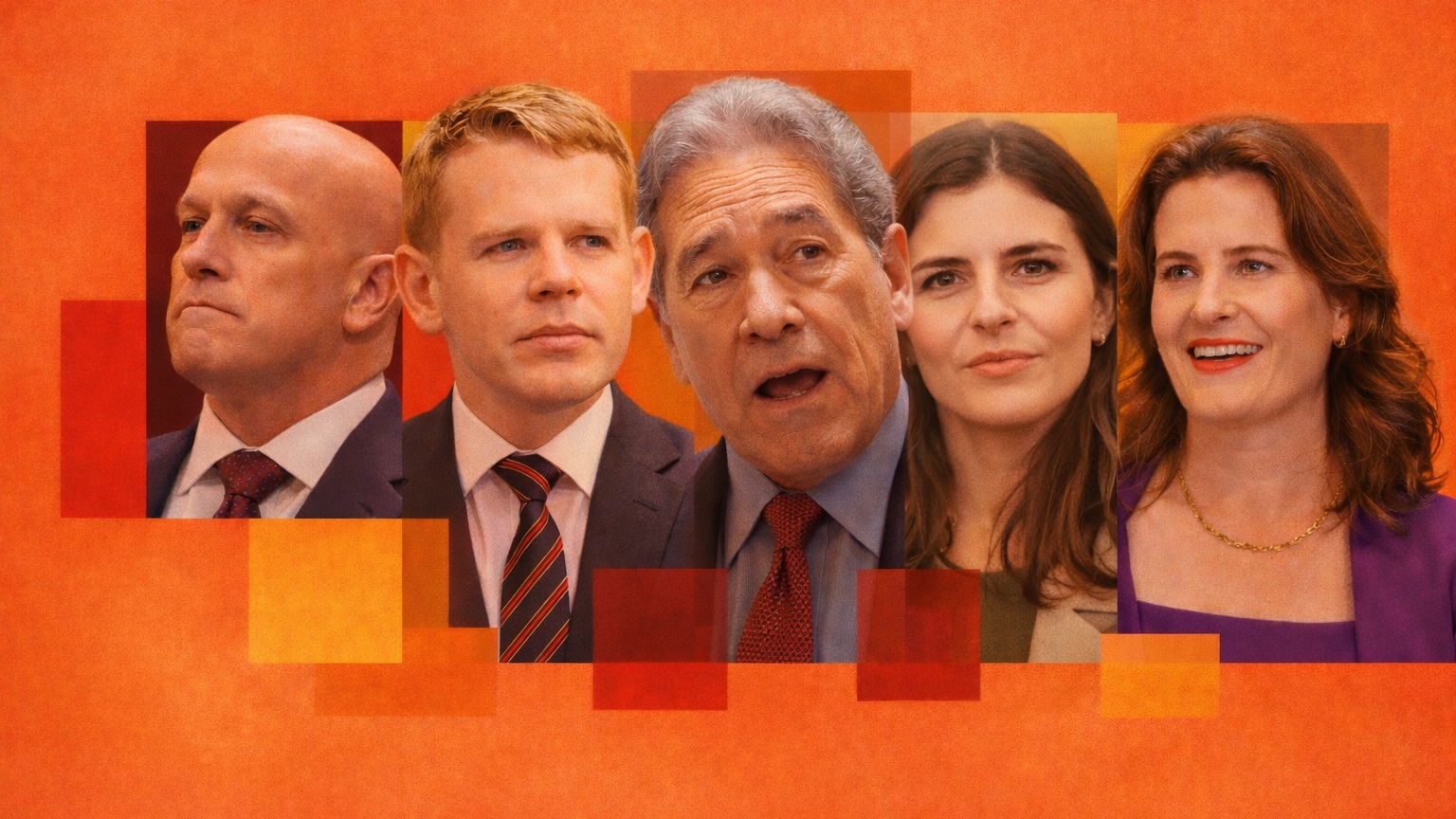
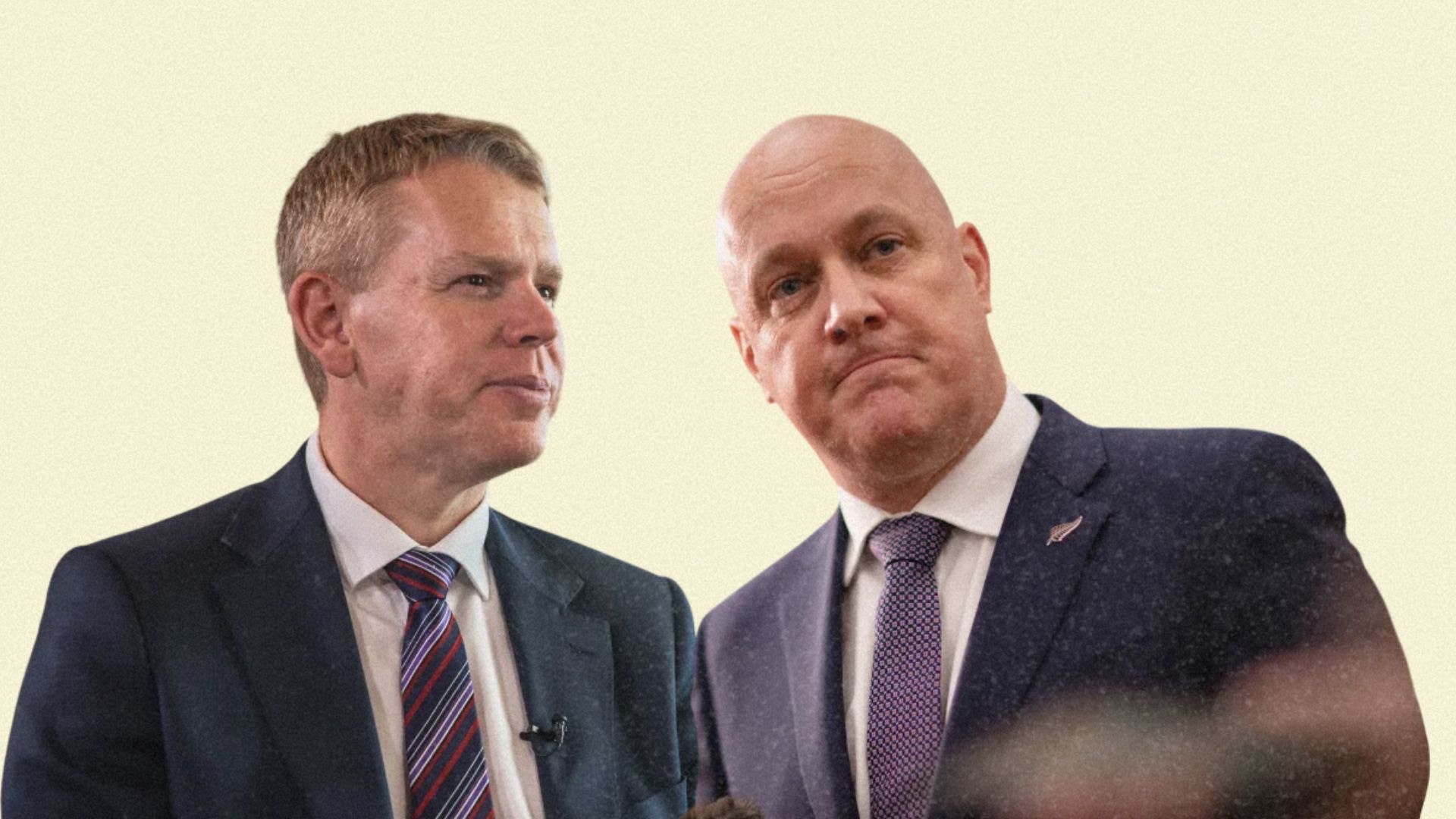
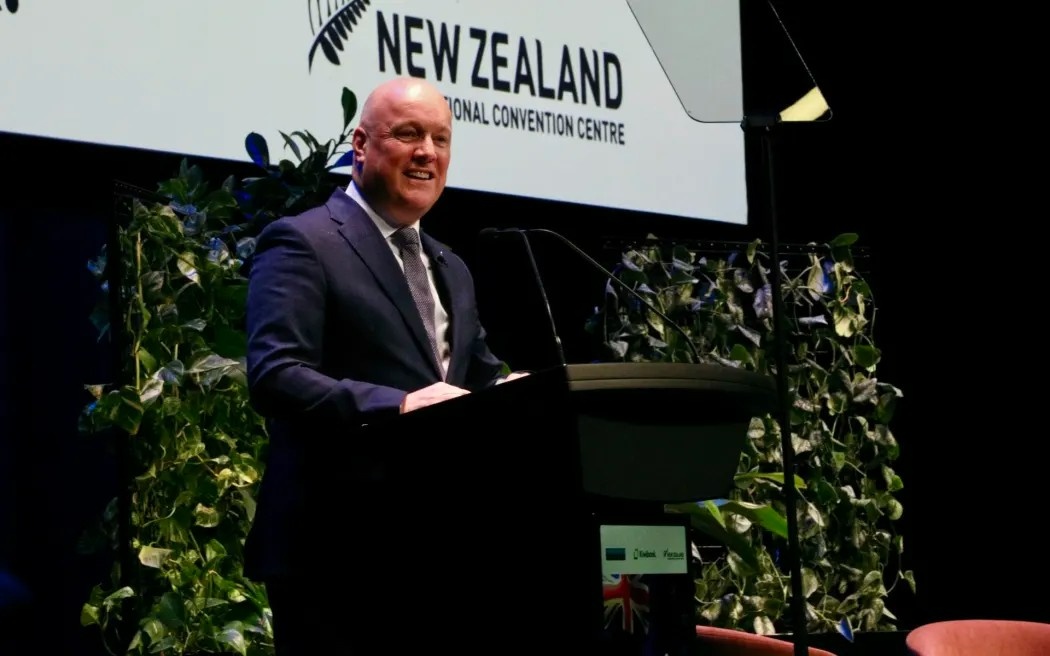
Yet heading into this election neither major bloc provides a lot of clarity. It is clear that Labour (especially one led by Chris Hipkins) remains as committed to principles of co-governance as it was in 2023. And I believe that, no matter how asinine, self-serving, or nihilistic the Māori Party wants to be, the current Labour Party and Chris Hipkins will not have any compunction about forming a coalition with them if that means coming back to power.
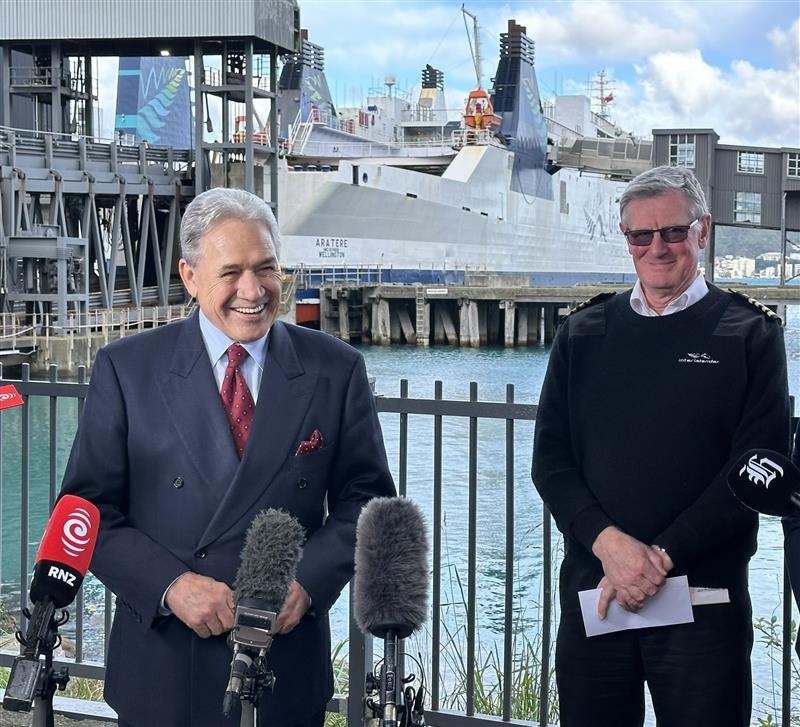
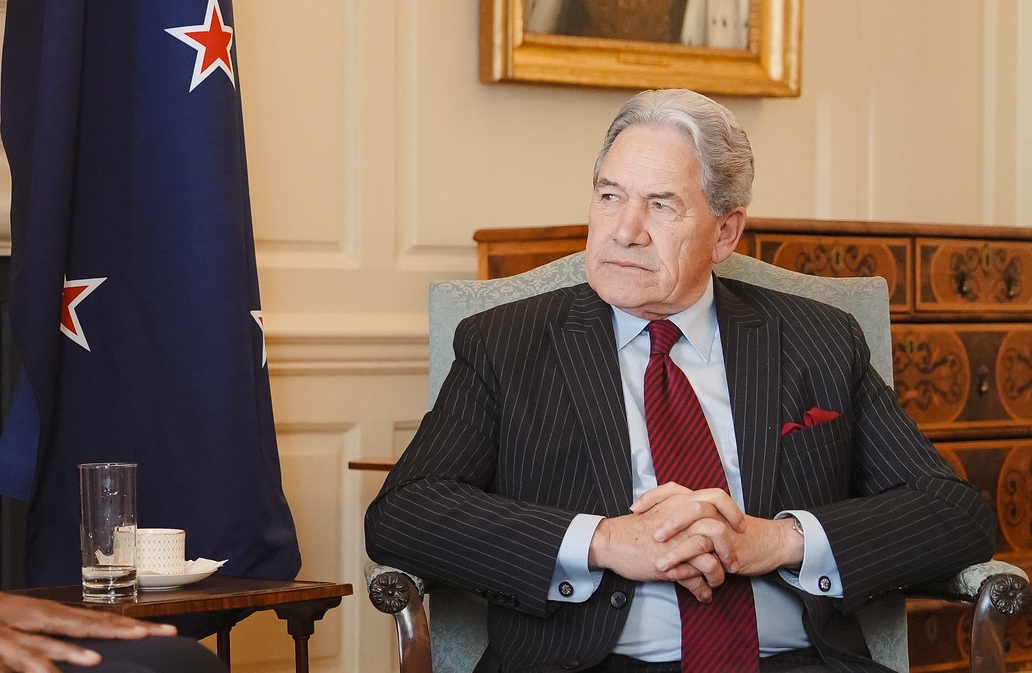
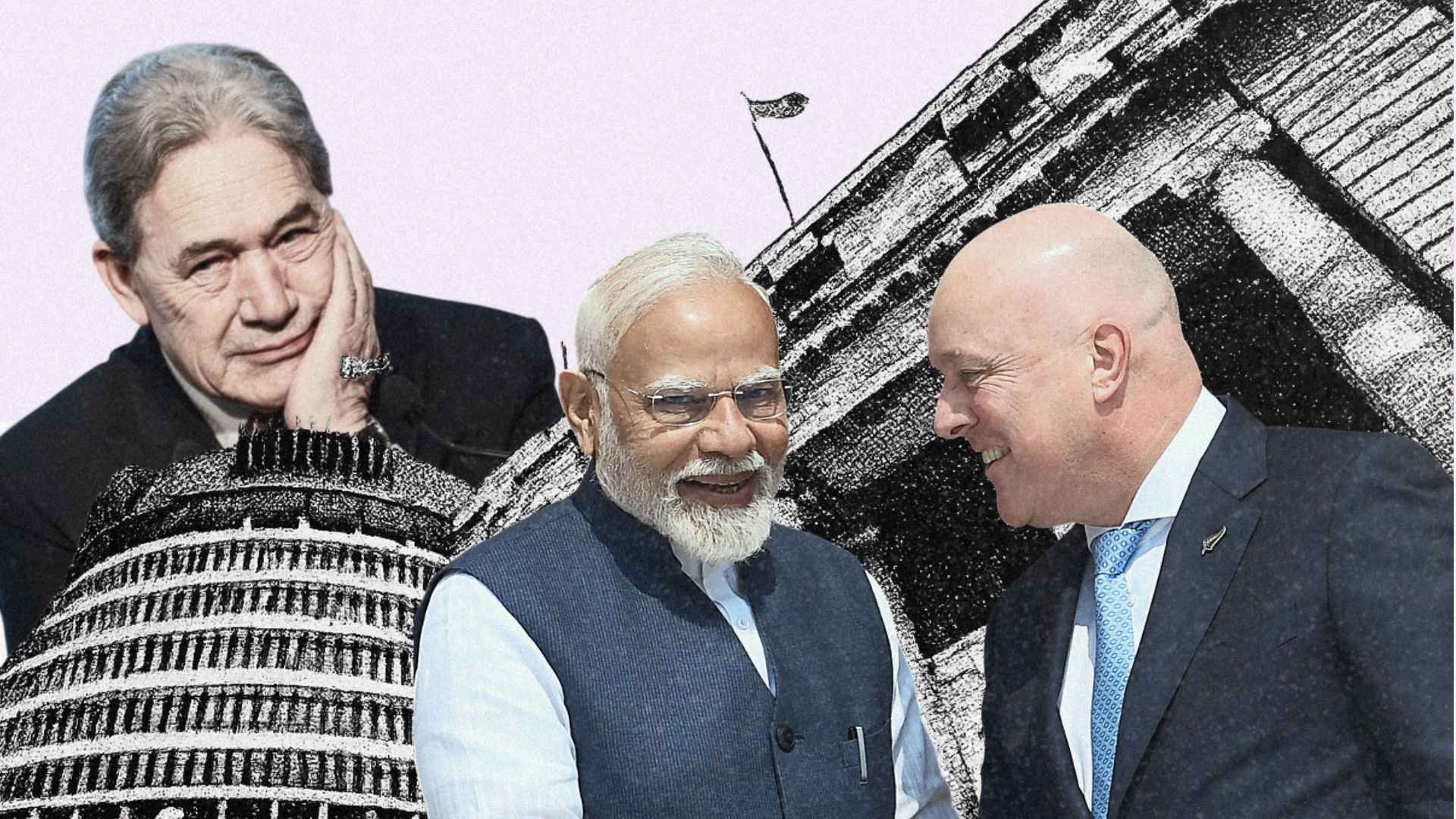
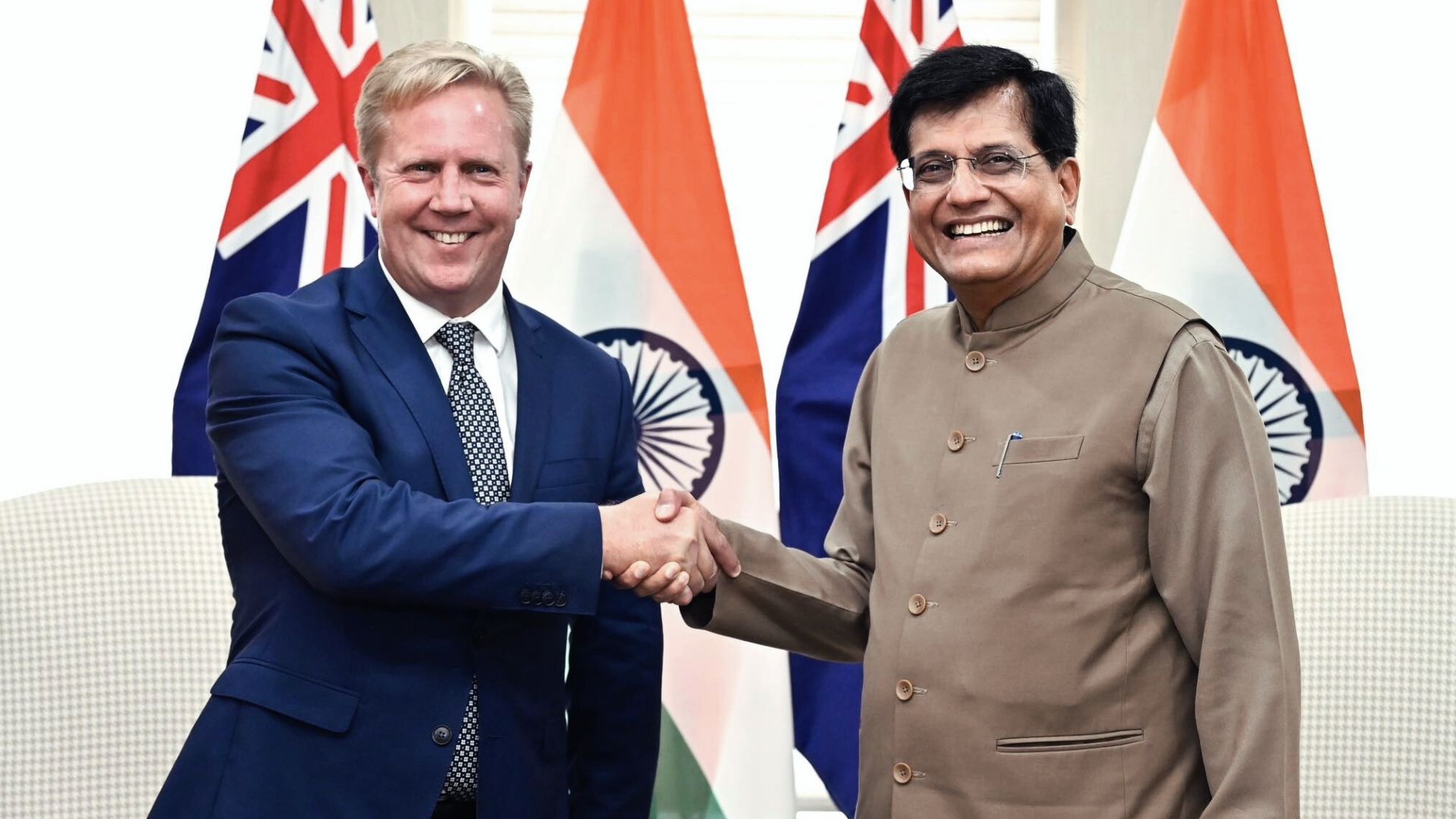
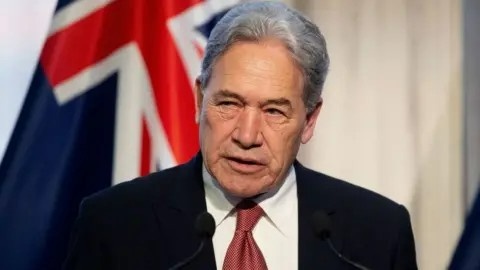
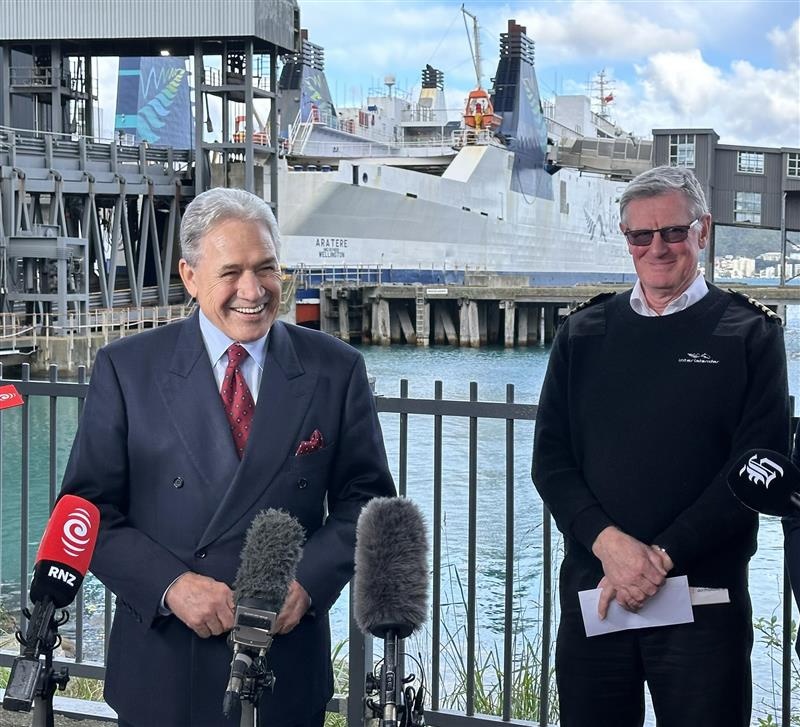
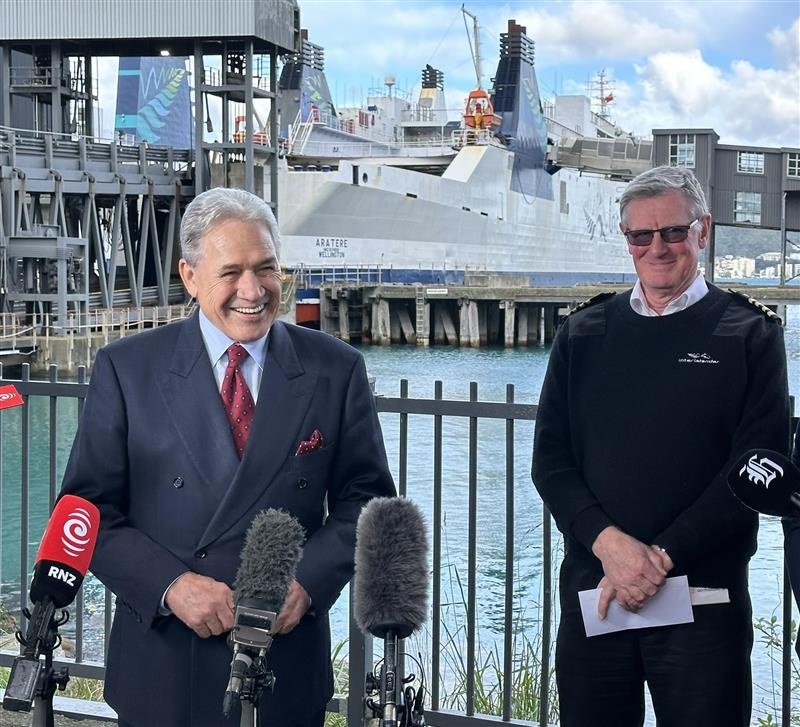
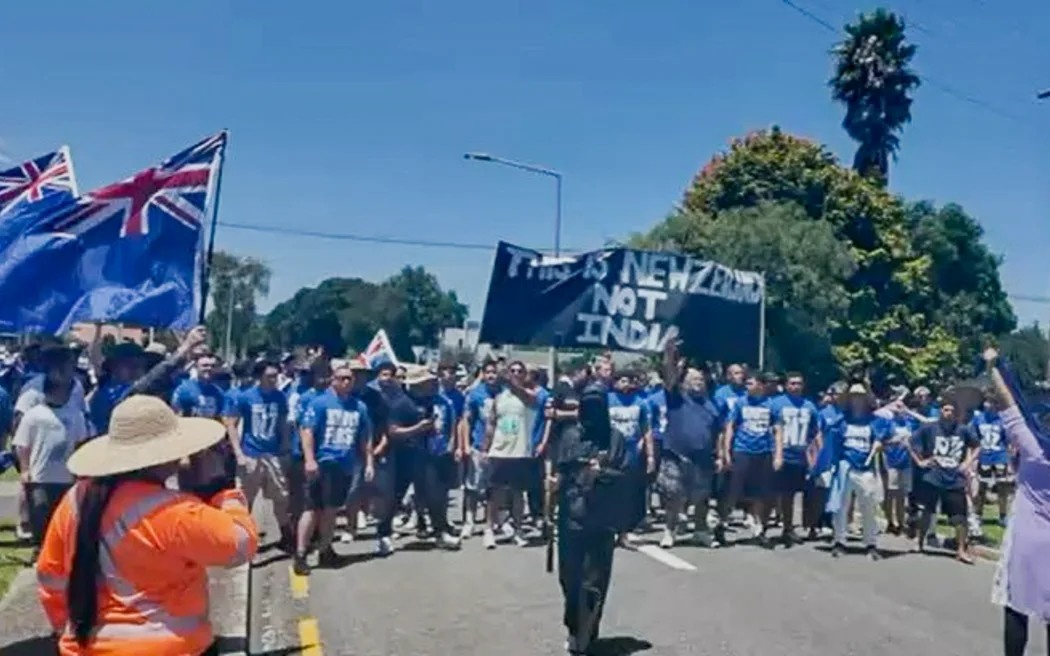
On the other side, New Zealand First has returned to its anti-immigrant and demagogic roots in opposing the NZ-India Free Trade Agreement. While anti-immigrant sentiments in New Zealand are nowhere near as rabid as in other countries, nevertheless Winston Peters and his party is doing their best to whip up nationalistic sentiments. There are many responses to Peters’ flawed arguments but probably the most cogent is that all analyses suggests that Indian and other immigrants make net contributions to our economy rather than being a drag on it.
From where I stand, Maori interests seem to be taken care of by the Left and Pakeha interests by the Right. Who speaks for the remaining quarter, which is not asking for special rights; simply the same rights as everyone else? In any event, interesting times ahead.
(Ananish Chaudhuri is Professor of Economics at the University of Auckland and the author, most recently, of Economics: A Global Introduction. You can read more of his work here: https://ananishchaudhuri.com/)